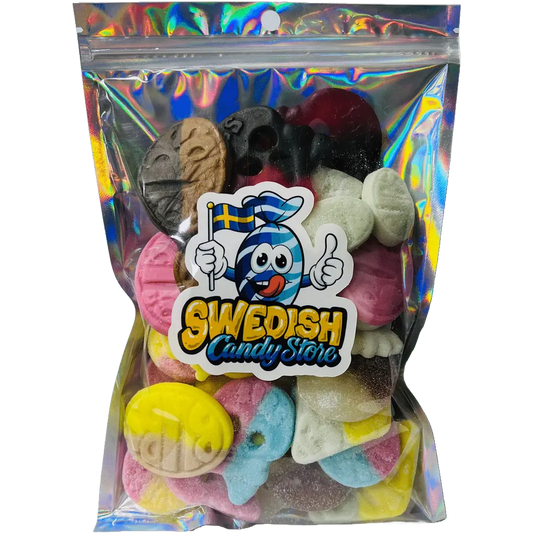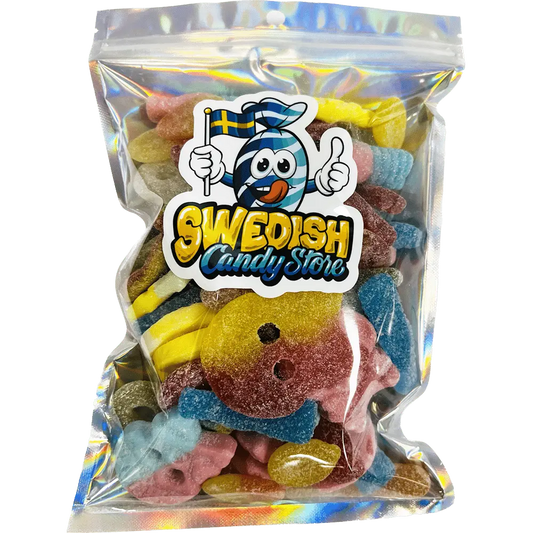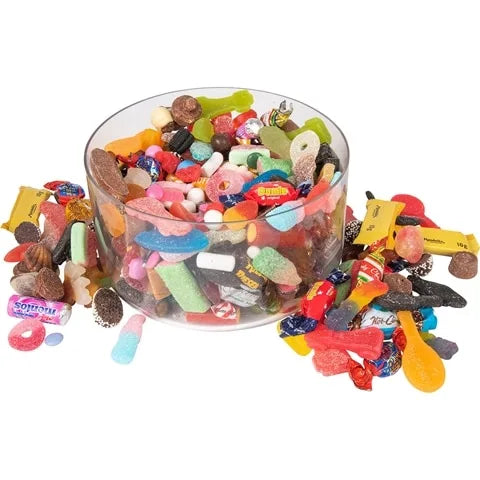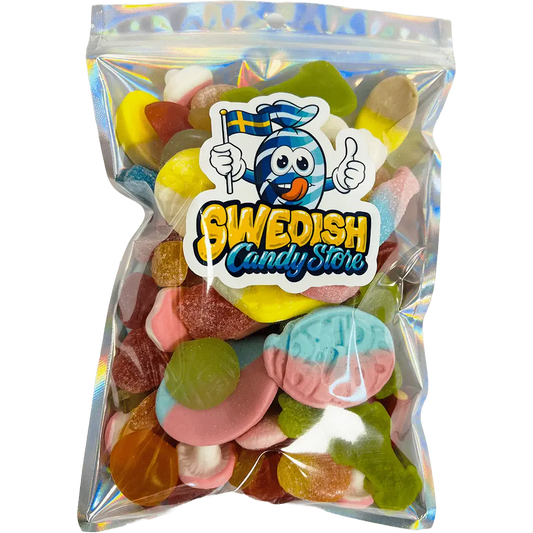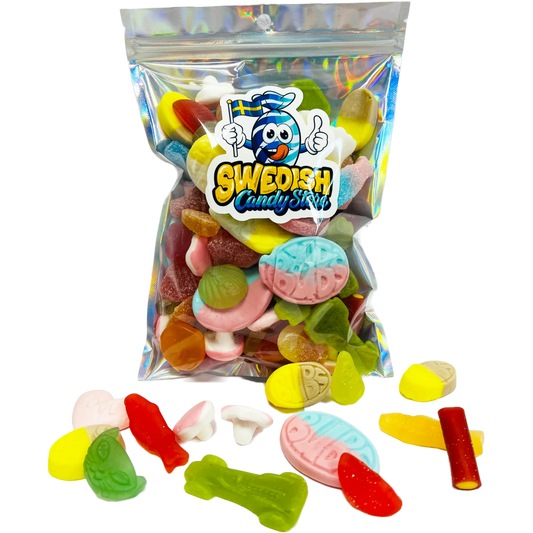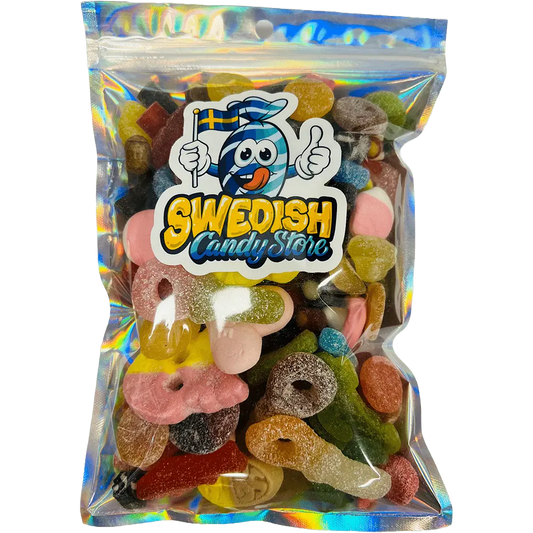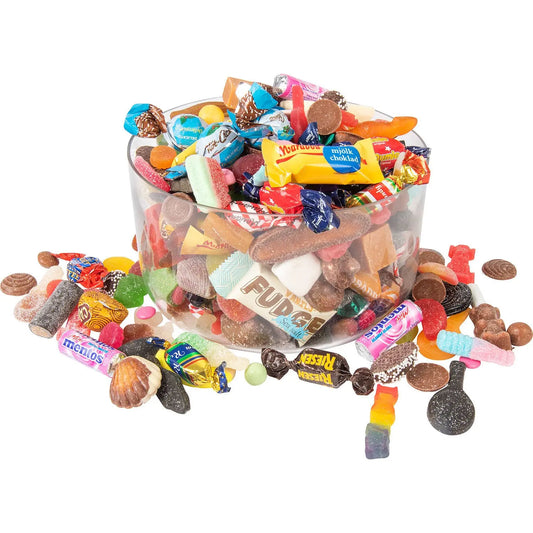

A candy mix can look like pure chaos in the best possible way: sour skulls, fizzy bottles, fruity cars, chewy fish, and those soft little foam pieces that seem to vanish before the movie starts. But foam candy versus gummy candy is more than a visual choice. The texture changes the whole snack experience, from how quickly flavor hits to whether you chew, squish, or let it melt a little on your tongue.
If you are building a Swedish candy bag, knowing the difference makes it much easier to play candy DJ. Want a light, pillowy mix for sharing? Go foam-heavy. Want a longer, bouncier chew that can handle a road trip? Bring on the gummies. Most elite mixes make room for both.
Foam Candy Versus Gummy Candy: The Quick Difference
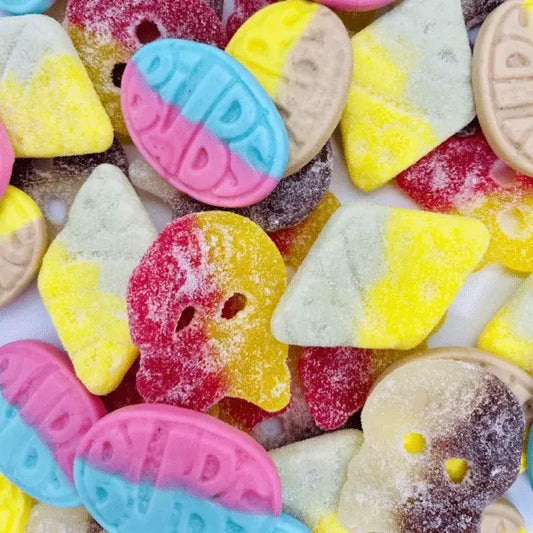
Foam candy is soft, airy, and springy. It has tiny air bubbles worked into the candy structure, giving it a lighter bite than a standard gummy. Think of the gentle squish of Swedish foam mushrooms, candy cars, bananas, skulls, or other colorful shapes that look almost too cute to eat. Almost.
Gummy candy is denser and more elastic. It usually has a smooth, glossy surface and a satisfying chew that lasts longer. A gummy may be tender or firm, but it generally offers more resistance when you bite down. It is the candy equivalent of a tiny trampoline with a fruit flavor.
Neither is automatically better. The real question is what kind of candy mood you are in: cloud-like and soft, or bouncy and chewy.
What Gives Foam Candy Its Soft Bite?
Foam candy gets its signature texture from air. During production, the candy mixture is whipped or aerated before it sets, creating a softer structure than a compact gummy. That is why foam pieces can feel fluffy without being as powdery or melt-away as a marshmallow.
The flavor experience is different, too. Because foam candy is lighter and often easier to chew, its sweet, fruity, or tart flavors can seem to arrive quickly. It is a great pick when you want candy that feels playful rather than intense. A soft strawberry-and-vanilla foam piece, for example, has a gentler rhythm than a dense sour gummy.
Swedish foam candy is especially famous for combining cute shapes with unexpectedly serious flavor. Ahlgrens Bilar, the classic little candy cars, are a longtime favorite for their soft chew and bright fruitiness. BUBS has also made foam candy a full-on personality trait, with foam skulls, ovals, and other wildly snackable shapes in sour, sweet, fruity, and fizzy flavor profiles.
Foam Candy Is Not the Same as Marshmallows
The two can look related, but foam candy and marshmallows are not interchangeable. Marshmallows are typically much fluffier, lighter, and more likely to dissolve or compress dramatically in your mouth. Foam candy has more chew and structure. It bounces back a little when you press it, rather than collapsing into a soft puff.
That makes foam candy a sweet spot for people who want softness but still want their candy to feel like candy.
Why Gummy Candy Has That Classic Chew
Gummies get their chew from gelling ingredients that help the candy set into a dense, flexible shape. Depending on the recipe, that may include gelatin, pectin, starch, or other plant-based setting agents. The formula determines whether a gummy is tender and juicy, firm and long-lasting, or somewhere in the gloriously sticky middle.
A good gummy gives you a bit of resistance before it gives way. That slower chew can make bold flavors feel more sustained, especially in sour candy. The sour coating hits first, then the fruity center keeps the party going.
Gummy candy also comes in a huge range of textures. Some Swedish gummies are soft and almost jelly-like. Others are firmer, with a more substantial bite. Licorice gummies, fruit chews, sour bottles, cola shapes, and berry-filled pieces can all land under the gummy umbrella, even though they do not chew exactly alike.
Gummy Candy Is Better for a Long Chew
If you like to make one piece last, gummies usually win. Their denser structure means they are less likely to disappear in two bites. That is handy for car rides, desk snacks, candy bowls, and anyone who treats choosing one last piece as a high-stakes personal decision.
Foam candy can still be chewy, of course. It is just a softer, faster experience. Think plush couch versus trampoline. Both are excellent places to land.
Flavor, Coatings, and the Texture Plot Twist
Texture is the main difference, but coatings can completely change how either candy feels. A sour-sanded foam skull may start with a sharp citrusy punch, then turn soft and creamy as the coating dissolves. A sugar-dusted gummy can feel crisp at first before settling into its signature bounce.
Foam candy often pairs beautifully with creamy, fruity, or lightly sour flavors. Banana, strawberry, raspberry, pear, and bubblegum-style combinations are common because the soft texture makes them feel extra nostalgic. Gummy candy can carry those flavors too, but it shines with bright fruit, cola, tropical blends, and big sour profiles that benefit from a longer chew.
Some candies blur the line on purpose. A piece might have a gummy outside and a foamy interior, or a firmer foam texture than expected. This is not a candy identity crisis. It is just Swedish confectionery doing what it does best: making the candy aisle more interesting.
Foam Candy or Gummy Candy for Your Pick-and-Mix?
For a balanced pick-and-mix bag, variety is the move. Too many dense gummies can make every bite feel similar, while a bag made entirely of foam can disappear at suspicious speed. Mix soft foam pieces with chewy gummies, then add a few sour favorites, licorice pieces, or chocolate-covered treats for contrast.
Choose more foam candy when you are serving a crowd, creating a colorful gift bag, or snacking with younger candy fans who prefer a softer bite. Foam pieces also bring major visual energy to a candy spread. Their matte finish, puffy shapes, and bright colors are made for party tables and snack videos.
Choose more gummy candy when you want a more substantial chew, love sour intensity, or need a snack that will survive a longer outing. Gummies are also a safe bet for people who like classic fruit candy textures and want something familiar with a Swedish twist.
At Swedish Candy Store, the fun is that you do not have to pick a side. Build a bag around your favorites, toss in a few wildcard shapes, and let texture do the work. The best candy mix has contrast - soft next to chewy, sweet next to sour, and one strange little piece you immediately regret not ordering more of.
Dietary Preferences: Check the Label, Not the Texture
It is tempting to assume foam candy contains gelatin and gummies do too, but texture alone cannot tell you what is in a candy. Both foam and gummy sweets can be made with gelatin, while others use plant-based ingredients such as pectin or starch. Vegan and gelatin-free options are available in both categories, particularly among modern Swedish candy brands.
The same goes for gluten-free, halal, sugar-free, and other dietary needs. Recipes can vary by product, flavor, and manufacturer, so always check the current ingredient and allergen information for the specific candy you are choosing. Your dream mix should be delicious, not detective work.
The Best Choice Is Usually Both
Foam candy is the soft, squishy charmer. Gummy candy is the bouncy, chewy classic. One gives you a light, airy bite; the other delivers a longer-lasting chew. Put them together and every handful feels less predictable - which is exactly what a proper candy mix should do.
Next time you are filling a bag, start with a few foam favorites, add gummies for chew, then leave room for one new shape or flavor you have never tried. Candy should have a little surprise built in.