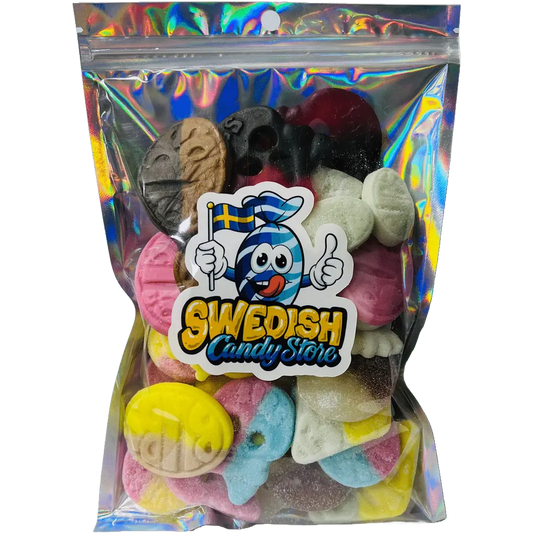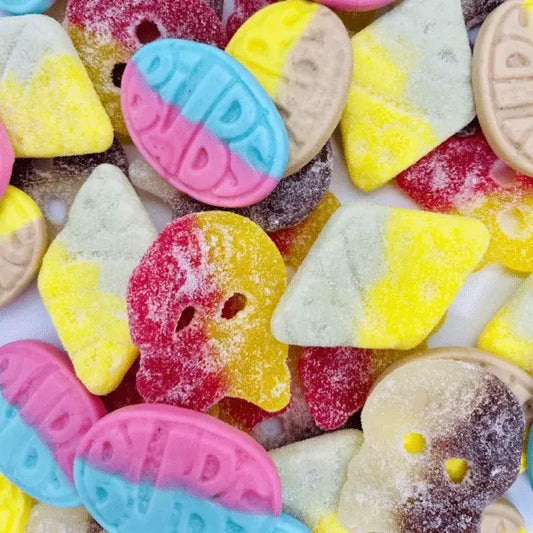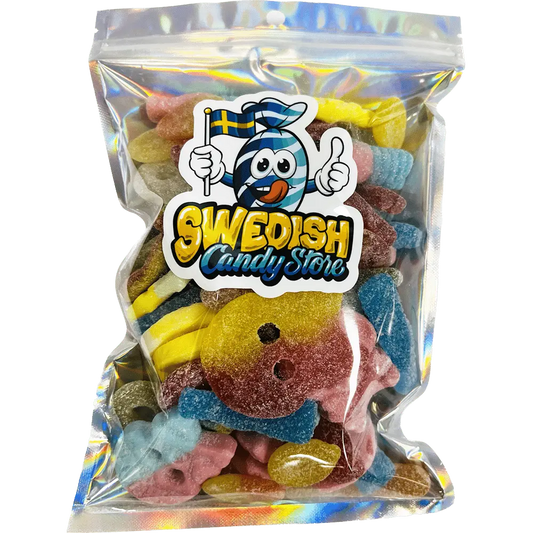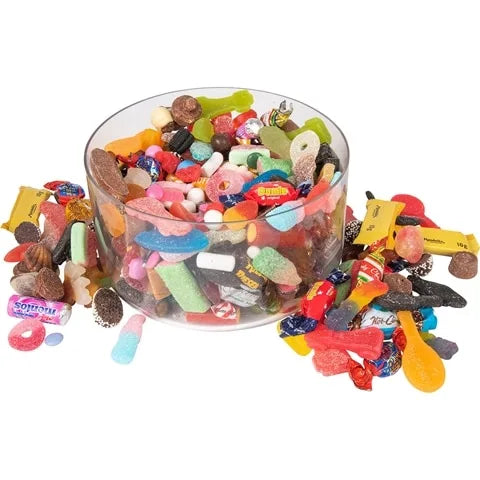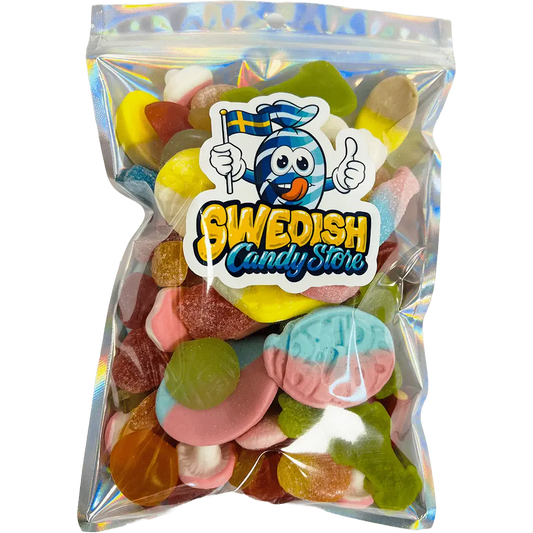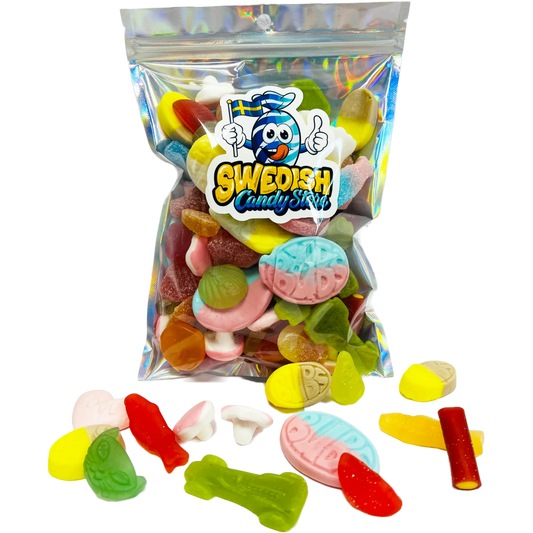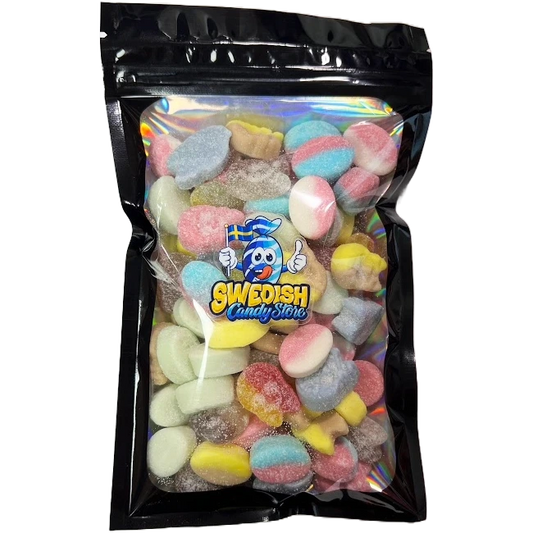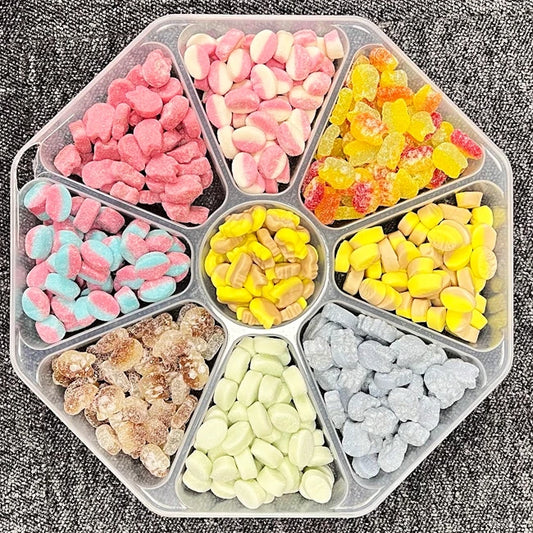

That colorful candy wall is calling your name, but gelatin is not invited to every snack party. This guide to gelatin free sweets is for anyone who wants chewy, sour, fruity, foamy, or chocolatey treats without playing ingredient-list detective for an hour. Whether you avoid gelatin for vegan, halal, kosher, vegetarian, religious, or personal reasons, Swedish candy has plenty of seriously fun possibilities.
The trick is knowing what gelatin does, what replaces it, and why one adorable gummy might be a perfect pick while another is a hard pass. Good news: you do not need to settle for boring candy. You just need a sharper shopping strategy.
What Makes a Sweet Gelatin-Free?
Gelatin is an animal-derived ingredient made from collagen. In candy, it creates that familiar springy chew in gummies and helps some marshmallows hold their fluffy bounce. It is common, but it is far from the only way to make candy delightfully squishable.
Gelatin-free sweets use other ingredients to create texture. Pectin, which comes from fruit, often gives gummies a soft, tender bite. Starch can create a denser chew or a classic jelly texture. Agar-agar and carrageenan, both seaweed-derived, may also appear in candy. Some foam candies rely on starch, sugar, and whipping agents rather than gelatin, so yes, a pillowy candy moment can still be on the menu.
Here is the key distinction: gelatin-free does not automatically mean vegan. A candy can skip gelatin but still contain milk, beeswax, shellac, egg, or other animal-derived ingredients. It also does not automatically mean halal or kosher. Those terms involve additional ingredient and certification considerations. Think of gelatin-free as one useful filter, not the whole ingredient story.
Your Guide to Gelatin Free Sweets: Read the Label Like a Pro
Ingredients can look like a tiny chemistry quiz, but you only need to scan for a few high-impact details. Start with the ingredient list, then check any dietary claims on the package or product description. If gelatin is listed, it is not a gelatin-free choice. Simple enough.
Next, look for texture clues. Pectin, modified starch, corn starch, potato starch, agar-agar, and carrageenan are all common signs that a gummy or jelly candy may use a gelatin-free base. They are not a promise on their own, since recipes vary, but they help you understand what gives a sweet its chew.
For vegan shoppers, keep an eye out for milk, whey, lactose, beeswax, shellac, and carmine. Carmine is a red coloring derived from insects, and shellac is a glaze that gives some candies that shiny, polished finish. Neither is gelatin, but neither fits a vegan diet. If you need halal or kosher candy, look for the relevant certification or product-specific information rather than making assumptions based only on a gelatin-free label.
Recipes change, especially with imported candy and seasonal releases. Always trust the package in your hand over an old screenshot, a social post, or a friend who swears the same candy was different last year. Candy lore is fun. Current labels are better.
The Best Gelatin-Free Candy Textures to Try
Gelatin-free does not mean one-note. In fact, Swedish-style candy is especially good at making texture part of the entertainment. A smart mix brings contrast: sharp sour bites, soft fruit chews, creamy chocolates, and maybe a little salty licorice chaos for the brave.
Pectin Gummies: Soft, Fruity, and Big on Flavor
Pectin gummies tend to be softer and less bouncy than traditional gelatin gummies. They can have a tender pull, a jammy center, or a lightly firm outer bite depending on the recipe. Fruit-shaped gummies, sour skulls, and berry-flavored chews often shine in this category.
If you love candy that tastes bright rather than overly sugary, start here. Pectin plays nicely with tart fruit flavors, so raspberry, strawberry, lemon, pear, and tropical blends can taste extra juicy. Add a sour coating and suddenly your snack bowl has main-character energy.
Starch-Based Jellies: Chewy in a Different Way
Starch-based candy may feel firmer, denser, or more jelly-like. It is less springy than gelatin candy, but that is not a downgrade. It is its own satisfying vibe - a slower chew with plenty of flavor payoff.
This category is great for people who prefer classic fruit jellies, filled pieces, and candy with a slightly more substantial bite. It can also be a friendly option for packing into a custom mix because the pieces tend to hold up well alongside other candy styles.
Foam Candy: Cloud-Like, Not Automatically Gelatin-Free
Swedish foam candy is beloved for a reason. It is soft, airy, a little chewy, and wildly snackable. But foam is not a magic word that guarantees a gelatin-free recipe. Some foam candies contain gelatin, while others use starch-based or plant-friendly formulas.
That makes foam candy a label-check category, not a category to skip. When you find a gelatin-free option, it can bring the perfect cushiony contrast to sour gummies and firmer fruit jellies. A mixed bag without texture variety is just a meeting with no snacks. Unacceptable.
Chocolate, Licorice, and Hard Candy: Easier, But Still Check
Chocolate bars, hard candies, caramel pieces, and many licorice products do not rely on gelatin for texture. That can make them easier places to browse, but “usually” is not the same as “always.” Filled candies, coated pieces, and novelty shapes can include surprise ingredients.
Chocolate may contain milk, and licorice can contain gelatin in certain filled or whipped varieties. If you are building a vegan-friendly assortment, check beyond gelatin. If your goal is specifically gelatin-free, these categories can offer lots of delicious options without needing every piece to be gummy-shaped.
Build a Gelatin-Free Swedish Candy Mix That Hits
The best pick-and-mix candy bags have rhythm. You want some pieces that punch, some that chill, and a few that make you say, “Wait, why is this so good?” Start with a few fruit gummies or sour chews as the base, then add a foam option if its label works for your needs. Finish with chocolate, licorice, or a fizzy candy for contrast.
Do not make every piece intensely sour unless that is truly your calling. A bag full of sour candy can be glorious for five minutes and then feel like your tongue filed a complaint. Pair sour fruit pieces with mellow berry gummies, creamy chocolate, or sweet-and-salty licorice to keep the mix balanced.
For a party or gift, label the bowl clearly if you are serving gelatin-free candy alongside other treats. If allergies, religious dietary requirements, or strict vegan preferences are involved, keep original packaging available and use separate scoops. A pretty candy spread is even better when everyone can confidently grab a handful.
At Swedish Candy Store, shoppers can play candy DJ with a colorful mix of Swedish favorites while filtering for dietary preferences. That is handy when one person wants sour strawberry chews, another wants licorice, and someone else needs to skip gelatin without being left with the sad backup snack.
Common Gelatin-Free Shopping Mistakes
The biggest mistake is assuming a candy is safe because it looks plant-based. Fruity colors, cute shapes, and words like “natural” do not tell you whether gelatin is inside. The same goes for “gummy.” Some gummies are gelatin-free; many are not.
Another common slip is treating vegan, halal, kosher, gluten-free, and gelatin-free as interchangeable labels. There can be overlap, but each label answers a different question. A gelatin-free candy may be vegetarian but not vegan because it contains milk. A vegan candy may be gelatin-free but not certified halal. Product details matter.
Finally, do not let ingredient checking steal all the fun. Once you find a few reliable gelatin-free favorites, save them as your go-to mix foundation. Then use new releases, seasonal shapes, and weirdly wonderful flavor combinations as your rotating wild cards.
Make Room for a Better Candy Routine
Gelatin-free sweets are not a consolation prize. They can be tart, chewy, fluffy, fruity, creamy, and every bit as craveable as the candy you grew up eating. Keep the label close, follow your own dietary needs rather than vague assumptions, and build a mix with enough texture and flavor contrast to make every handful interesting.
Your next candy bag can still be a wild party of fruity gummies, foam shapes, sour sugar, and Scandinavian snack magic. It just gets to be a party where gelatin stays off the guest list.