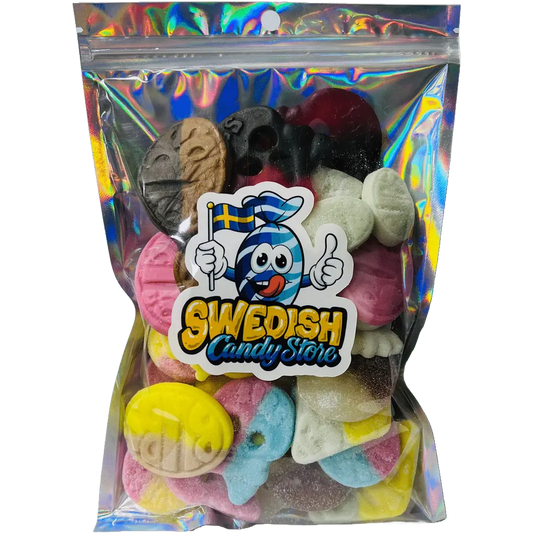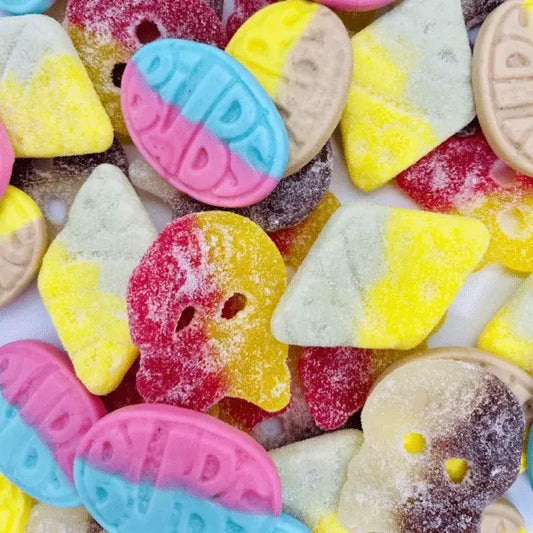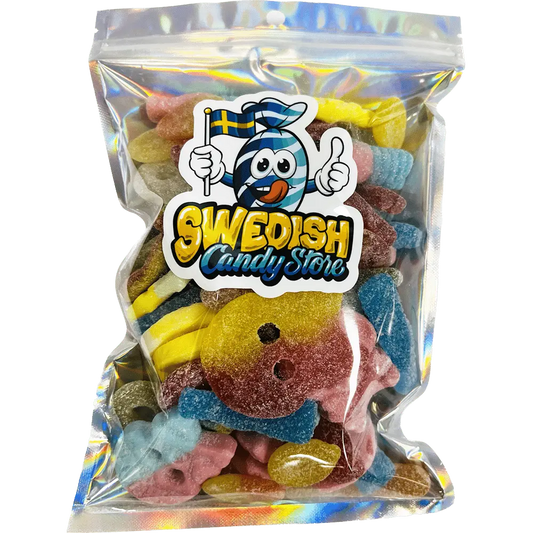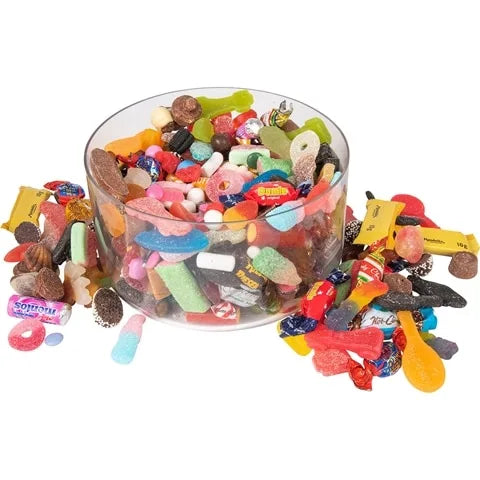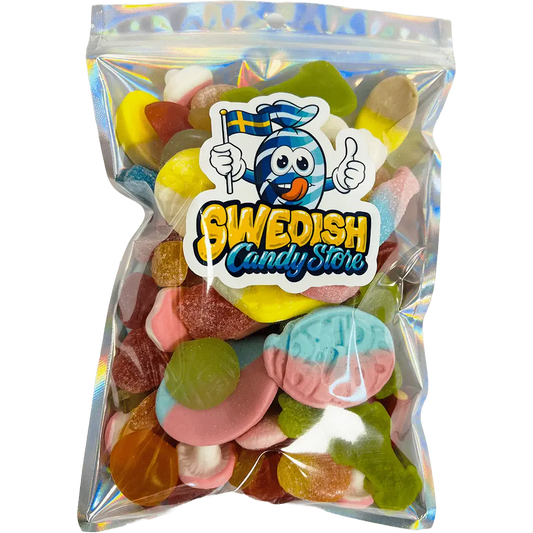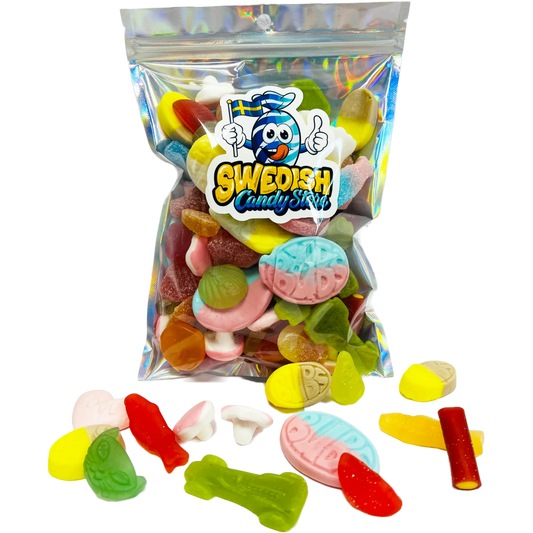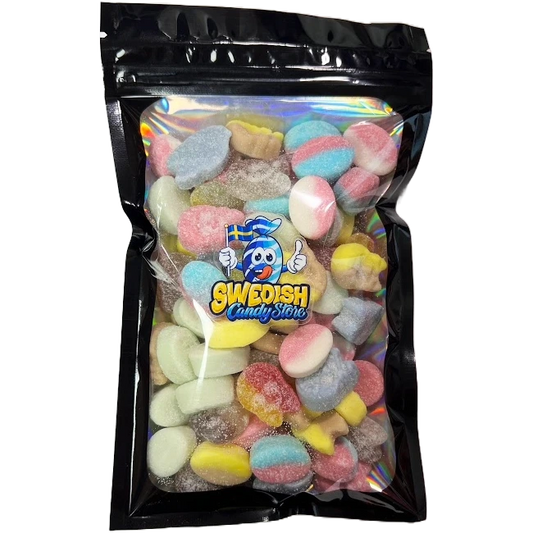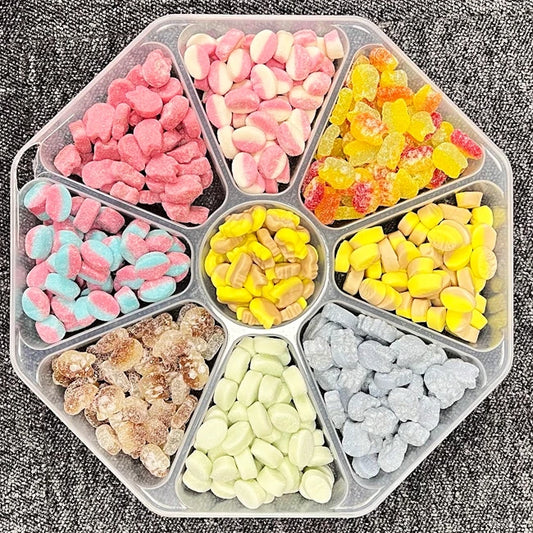

The first time someone asks what is Swedish candy, they usually mean one of two things. They either saw a bag of wildly squishy gummies on TikTok and need answers immediately, or they tried it once and now regular candy feels a little... basic. Fair.
Swedish candy is a broad category of sweets made in Sweden or strongly tied to Swedish candy culture, especially the famous pick-and-mix tradition known as loose candy. It is known for softer textures, cleaner fruit flavors, creative shapes, foam gummies, sour candies with real attitude, and a lineup of brands that candy people get weirdly loyal to in the best way. Think BUBS, Malaco, Ahlgrens, Cloetta, Marabou, and Fazer. Think gummies that bounce less and melt more. Think licorice that ranges from sweet and chewy to salty enough to start a family debate.
For American shoppers, the biggest surprise is usually not just the flavor. It is the whole vibe. Swedish candy feels more playful, more specific, and way less one-note than the standard candy aisle.
What is Swedish candy known for?
If American candy often goes for louder sugar hits, Swedish candy tends to win on texture and balance. That does not mean it is subtle or sleepy. It just means the flavor usually feels more intentional. Fruit candies taste fruitier. Sour candy tends to have a sharper edge without turning into a prank. Even the sweet pieces often have a cleaner finish instead of that heavy syrupy aftertaste.
Texture is a huge part of the appeal. Swedish gummies are often softer and more satisfying to chew, with a springy or foamy feel that stands out right away. Foam candy in particular is one of those categories that makes people pause mid-bite and go, wait, why is this so good? It is airy, chewy, and somehow fluffy at the same time.
Then there is variety. Swedish candy is not one narrow style. It includes fruity gummies, sour skulls, marshmallowy pieces, chewy licorice, chocolate bars, salty licorice, caramels, and gelatin-free or vegan options that still feel fun instead of like a compromise snack.
The pick-and-mix culture is a big deal
To understand what is Swedish candy, you have to understand pick-and-mix. In Sweden, candy is not just something you grab as an afterthought at checkout. It is often an event. You walk up to a wall or section full of different pieces, fill a bag with exactly what you want, and build your own dream mix.
That culture matters because it shapes the candy itself. Swedish candy brands make pieces that are meant to be mixed, matched, and obsessed over. One handful can have sour gummies, foam bananas, fruity bottles, chewy skulls, licorice twists, and chocolatey bites all hanging out together like a very chaotic friend group.
This is also why so many Swedish candy fans are specific. They do not just want candy. They want their candy. More sour than sweet. No licorice. Extra foam. A few wild cards. Maybe one chocolate piece if they are feeling mature.
Why Swedish gummies feel different
This is where a lot of the hype comes from, and honestly, the hype has a point.
Swedish gummies often have a softer bite than many American gummies. They can be more elastic, more pillowy, or more foam-like depending on the piece. Instead of fighting your teeth, they give you that satisfying chew without turning snack time into jaw training.
Flavor also plays differently. Strawberry tastes like actual strawberry flavor rather than generic red. Banana is often creamier. Raspberry and sour fruit flavors can hit brighter and cleaner. The result is candy that feels a little more grown-up, even when it is shaped like a skull or a fish or a giant puffed-up mushroom.
Not every Swedish gummy tastes better to every person, because candy is personal and people get dramatic about it. But if you care about texture, Swedish gummies tend to make a strong first impression.
Sweet, sour, salty, and slightly unhinged
One of the best things about Swedish candy is that it is not trying to be safe all the time. Sure, there are easy crowd-pleasers, especially fruity gummies and chocolate. But Sweden also fully embraces candies that make some people instantly loyal and others deeply confused.
Sour candy is a perfect example. Swedish sour pieces often bring a tart hit that feels bright and punchy instead of just coated in acid for shock value. They can still be intense, but the fruit flavor usually keeps up.
Then there is licorice. This is where Swedish candy separates the curious from the committed. Sweet licorice is chewy and rich, but salty licorice is the real personality test. It is made with salmiak, which gives it that salty, mineral-like edge. Some people love it instantly. Some need a second try. Some act personally betrayed. All are normal responses.
That range is part of the fun. Swedish candy gives you familiar categories, but it also slips in a few pieces that feel new, niche, or slightly chaotic in a good way.
What is Swedish candy made of?
The ingredients depend on the type, but many Swedish candies use the same core building blocks you would expect in confectionery - sugar, glucose syrup, starch, flavorings, and colorings. The difference is more about the final result than one magic ingredient.
A lot of Swedish candy fans pay attention to texture, freshness, and dietary needs, which is why product variety matters. Some candies contain gelatin, while others are gelatin-free. Some are vegan, halal, gluten-free, or sugar-free. That does not mean every piece checks every box, but the category is broader than many people expect.
This is especially helpful if you want the fun of imported candy without getting boxed into one small corner of the assortment. Swedish candy is not just for one type of shopper. It works for sour-candy hunters, chocolate people, licorice loyalists, and picky snackers who somehow want something fruity, chewy, not too sweet, and also cute.
The brands people talk about most
If you spend five minutes around Swedish candy fans, certain names come up fast.
BUBS is a huge one, especially for soft, chewy, often foam-based gummies with bold flavors and serious visual appeal. Ahlgrens is famous for its little marshmallowy candy cars, which are iconic for a reason. Malaco is a major name for gummies and licorice. Cloetta has a long history in Swedish sweets. Marabou is the chocolate brand that turns casual snackers into suitcase stuffers. Fazer is Finnish, not Swedish, but it often shows up in the same Scandinavian candy conversation because the overlap is real and the chocolate earns its place.
The point is not to memorize a brand chart before your first bag. It is to know that Swedish candy is backed by real candy culture, not just one viral product with a pretty wrapper.
Why Americans are suddenly obsessed
Part of it is social media. Swedish candy looks good on camera. The colors pop, the shapes are fun, and the textures practically beg for a close-up squeeze test. Pick-and-mix also taps into the custom-snack energy people already love.
But trends do not last if the product disappoints. Swedish candy keeps getting attention because it actually delivers. It feels more special than grocery-store candy, but it is still easy to enjoy. You do not need a refined palate. You just need curiosity and maybe a little self-control.
Convenience matters too. Buying authentic imported candy used to sound like a hassle, with long shipping times and mystery fees lurking in the background. Now it is much easier to get the real thing through US-based retailers that focus on freshness, fast fulfillment, and a wide assortment. That takes Swedish candy from niche treat to very realistic cart addition.
How to try Swedish candy without overthinking it
Start with a mix instead of one single product. That gives you the full experience - fruity, sour, chewy, foamy, maybe one rogue licorice piece if you are feeling brave. A balanced mix makes more sense than betting everything on one flavor and hoping for a life-changing moment.
If you already know your candy personality, lean into it. Sour lovers should go straight for skulls, bottles, and tart gummies. Texture people should absolutely try foam candy. Chocolate fans should not ignore Scandinavian bars just because the gummies get more internet fame. And if you are licorice-curious, start sweet before jumping into salty.
If you want the full pick-and-mix experience without hopping on a plane, Swedish Candy Store makes it easy to play candy DJ with authentic Swedish favorites, customizable mixes, and the kind of fast US shipping that does not kill the mood.
So, what is Swedish candy really?
It is candy with personality. It is softer, stranger, fruitier, foamier, and often way more fun than people expect. It is built around discovery, not just sugar. And once you find your perfect mix, there is a good chance you will start judging all other gummies a little harder.
That is not being dramatic. That is just having standards now.