
That mid-afternoon moment when your coffee has gone lukewarm, your inbox is multiplying, and you suddenly need a little treat? Sweden has a name for answering that feeling: fika culture. It is not a productivity hack in a tiny mug. It is a proper pause - ideally with coffee, something sweet, and people you actually want to talk to.
For Americans, fika can sound like an extra-cute word for a coffee break. But the idea runs deeper. A fika is a small reset built into the day, whether it happens at a kitchen table, a busy office, a park bench, or a friend’s couch covered in throw blankets. The snacks matter. The company matters. The act of taking a real break matters most.
What Is Fika Culture, Exactly?
Fika is a Swedish ritual of stopping for coffee or another warm drink, plus a snack, plus a moment to connect. The word is often traced back to an old Swedish slang reversal of kaffi, meaning coffee. Over time, it grew into something much more charming than caffeine.
You can fika alone with a cinnamon bun and a podcast. You can fika with coworkers between meetings. You can fika with your neighbor, your kids, your date, or the friend who says, “I’m just stopping by for five minutes,” then stays for two hours. There is no velvet rope and no perfect pastry requirement.
The key is intention. You are not speed-eating a granola bar over the sink while checking 14 notifications. You are making space for a pause. Very Scandinavian. Very civilized. Extremely good with candy.
Why Sweden Takes the Coffee Break Seriously
Sweden is famously serious about coffee, but fika is not really about getting the strongest possible cup. It is about making everyday life feel a little more human. A shared break can soften a long workday, give conversations somewhere to go, and create a dependable pocket of comfort when everything else feels loud.
That is part of why fika works so well outside Sweden, too. Most of us do not need another reason to rush. We need a reason to put our phone face down, pour something warm, and eat the good snack instead of saving it for some imaginary special occasion.
There is also a social rule hiding in the coziness: fika should feel welcoming, not performative. You do not need a matching dessert table, a latte-art certificate, or a hand-thrown ceramic cup that costs more than your grocery run. A homemade cookie is lovely. A bag of Swedish gummies poured into a bowl is also lovely. The vibe is “come sit,” not “please admire my tablescape.”
What Do You Eat During a Fika?
The classic fika spread usually includes coffee and a baked sweet. Cinnamon buns, cardamom buns, cookies, cakes, and pastries all make frequent appearances. If you have ever seen a golden, swirled Swedish cinnamon bun with pearl sugar on top, you already understand why people clear their calendars for this.
But fika is flexible. That is the magic. A weekday fika might be coffee with crisp cookies. A weekend fika could turn into a full-on pastry situation. For kids, tea, milk, or hot chocolate can easily take coffee’s place. If you are not a coffee person, nobody from Sweden is going to burst through the wall and confiscate your tea.
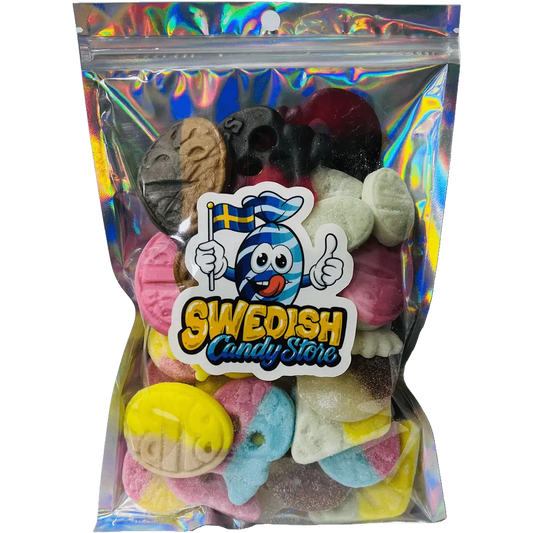
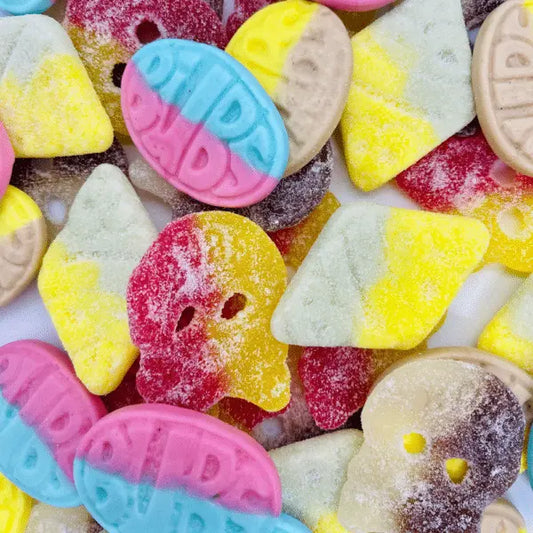
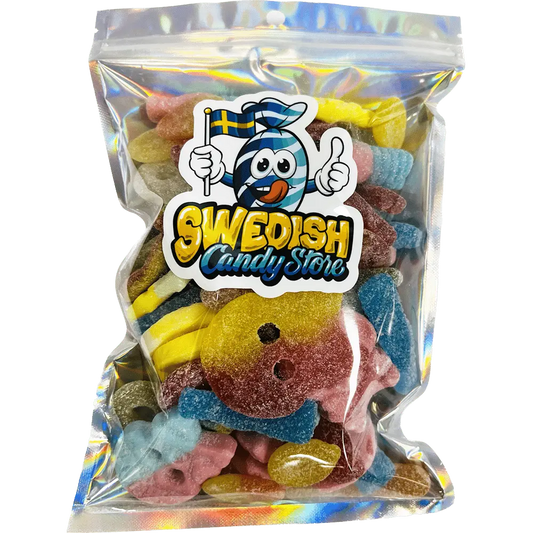
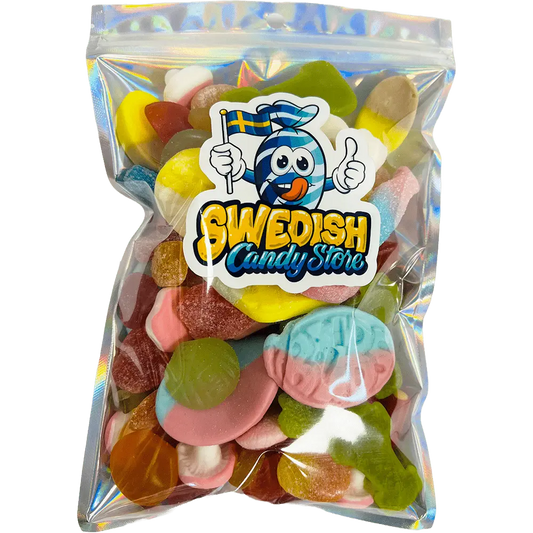
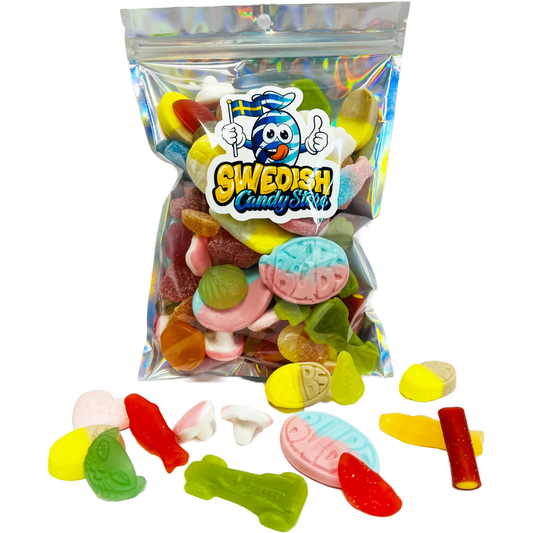
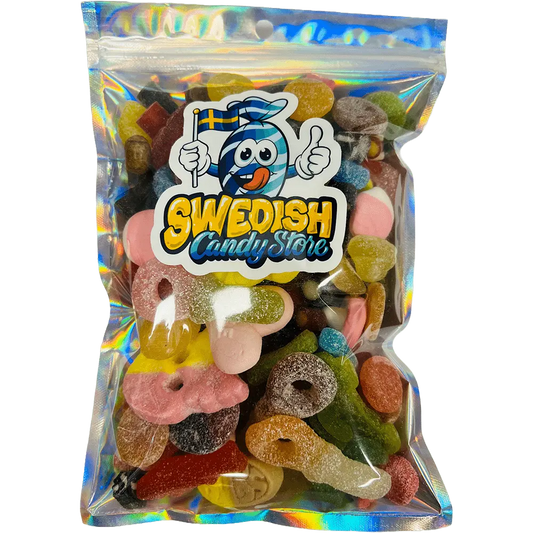
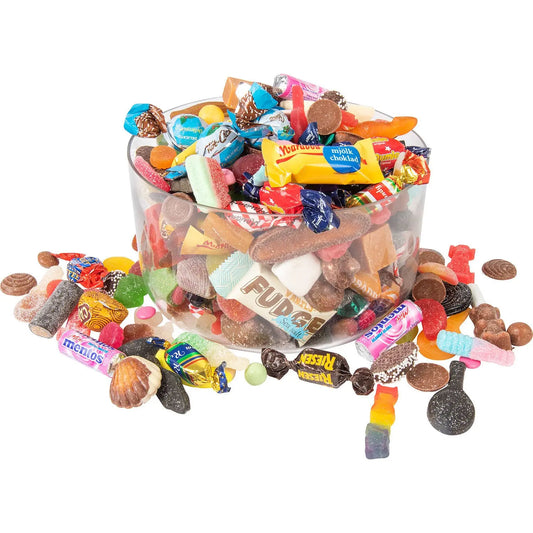
Candy fits naturally here, especially when you want something easy to share. Swedish sweets are made for the pass-the-bag energy of a casual hangout: foamy marshmallow treats, tart fruit gummies, salty licorice, chocolate pieces, and those dangerously snackable sour candies that somehow disappear before the kettle boils.
A balanced fika does not have to mean “healthy” in the boring sense. It means choosing treats that fit your crew. Put out vegan gummies for one friend, gelatin-free options for another, a few chocolate pieces for the sweet-tooth traditionalists, and something sour enough to make everyone do the same funny face. Now you have a snack table with range.
How to Host a Fika at Home
A good fika is low effort on purpose. Pick a time when people can actually linger for 20 or 30 minutes. Midmorning and midafternoon are classic, but an after-dinner fika works beautifully when the group wants something softer than a big dessert production.
Start with drinks. Brew coffee, make tea, or offer hot chocolate. Then add one baked item and one candy option. That is enough. More is fun if you are hosting a birthday, a movie night, or a Sunday catch-up, but fika is not a competitive sport.
For a simple setup, place mugs, napkins, and snacks where everyone can reach them. Skip individual plating unless you are feeling fancy. Shared bowls encourage the best kind of decision-making: “Try this one,” “Wait, you have to taste that,” and “Okay, who finished the sour skulls?”
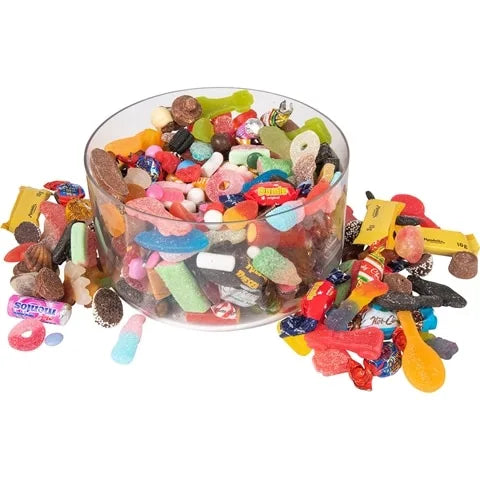
If you are building a candy-forward fika, think about contrast. Pair creamy chocolate with tart gummies, soft marshmallows with crunchy cookies, or sweet fruit flavors with salty licorice. Swedish Candy Store makes this part especially easy when you want to play candy DJ and create a mix with something for every mood in the room.
The final ingredient is a tiny boundary. Put the laptops away. Let messages wait. If the conversation pauses, let it pause. Fika does not need to be deep or productive to count. Sometimes the whole point is comparing favorite candy flavors while your dog politely campaigns for a cinnamon-bun crumb.
Fika Culture at Work Without Making It Weird
Fika has a reputation for being part of Swedish workplace life, and honestly, more offices could use it. Not the forced fun kind, where everyone is required to reveal their “interesting fact” while clutching a paper cup. A real fika is simply a chance to step away from work and reconnect.
If you want to borrow the tradition, keep it easy. Set out coffee and a few shareable snacks at the same time once a week. Invite people, but do not make attendance feel mandatory. Avoid turning it into another meeting with an agenda, action items, and a slide deck titled “Synergizing Snack Moments.” Please. The cookies deserve better.
Remote teams can make room for a digital version, too. A 15-minute optional coffee chat can work if it stays casual and does not become a disguised status update. The trade-off is obvious: virtual fika lacks the joy of reaching across the table for another gummy. But the pause and connection can still be real.
The Fika Rule That Matters Most
There is no single correct way to fika. Some people want strong black coffee and a classic bun. Others want iced coffee, sour candy, and a friend who will watch three chaotic videos with them. Both count.
What makes fika culture worth borrowing is not a strict menu. It is the permission to enjoy a small moment before it has to earn its place on your calendar. Make the coffee. Open the candy. Text someone you miss. Then sit down long enough to taste it.