
A chocolate bar can look wonderfully simple - milk chocolate, a cute wrapper, zero obvious nuts - and still be a bad bet for someone with a nut allergy. So, are Swedish chocolates nut-free? Some absolutely can be, but Swedish chocolate is not automatically nut-free, and the answer changes from product to product, flavor to flavor, and sometimes batch to batch.
That is not meant to kill the candy mood. It is the smart way to keep a movie-night treat from becoming a label-reading panic spiral. Swedish candy is famous for playful textures, big flavor, and a wild party of gummies, licorice, and chocolate. When allergies are part of the plan, the wrapper gets a starring role too.
Are Swedish chocolates nut-free?
No blanket rule covers every Swedish chocolate. Many plain chocolate products do not list peanuts, almonds, hazelnuts, or other tree nuts as intentional ingredients. But plenty of classic Scandinavian chocolates include nuts, nut pastes, praline fillings, or crunchy nut pieces. Others may carry a precautionary statement such as “may contain nuts” or “may contain traces of nuts” because they are made in a facility or on equipment that also handles them.
For a person with a serious peanut or tree-nut allergy, “probably fine” is not a candy category. The product’s current ingredient list and allergen statement are what count.
It also helps to separate two ideas that get mashed together online: a product that contains no nut ingredients and a product that is truly nut-free. The first may simply mean nuts are not in the recipe. The second generally suggests a more controlled process designed to prevent allergen cross-contact. Unless a package specifically makes that claim, do not assume it has been produced in a dedicated nut-free environment.
Why Swedish chocolate labels can look different
Imported candy labels may use Swedish, English, or both. In Sweden and throughout the European Union, major allergens must be clearly emphasized in ingredient lists, often in bold type or capital letters. That is helpful, but it does not replace reading every word on the package.
The Swedish word for nuts is nötter. You may also see specific nuts listed by name. Hasselnötter means hazelnuts, mandel means almonds, jordnötter means peanuts, cashewnötter means cashews, and pistagenötter means pistachios. Coconut is kokos, though whether coconut needs to be avoided depends on the individual and advice from their allergy care team.
One extra wrinkle: European precautionary wording is not standardized in exactly the same way as a certified nut-free claim. “May contain traces of nuts” is a warning that cross-contact is possible, not a promise that the amount is tiny enough to be safe. For highly sensitive shoppers, that distinction matters a lot.
Chocolate is a frequent cross-contact category
Chocolate factories make many flavors on shared equipment. One day’s smooth milk chocolate may be followed by a hazelnut praline, an almond-filled bar, or a peanut-containing snack. Cleaning procedures can reduce risk, but they do not always turn a shared line into a nut-free one.
That is why a plain bar is not automatically the safest choice. It may have a short ingredient list, yet still carry a “may contain” statement. On the flip side, an elaborate-looking candy can occasionally be made without nuts or nut warnings. The label, not the vibes, makes the call.
How to shop Swedish chocolate with a nut allergy
Start by checking the product itself, not a general description of the brand. Brands often make both nut-containing and nut-free-recipe products. A chocolate maker known for hazelnut bars can also produce a plain milk chocolate bar, but the manufacturing warning may differ between them.
Read the ingredients first. Look for peanuts and tree nuts by name, plus terms that signal nut-based fillings such as hazelnut paste, almond paste, praline, marzipan, gianduja, nougat, or nut brittle. Heads-up: “nougat” does not always mean the same thing in every country. In Scandinavian chocolate, it can refer to a soft filling that may include hazelnut, so always inspect the actual ingredients.
Then read the allergen statement and any precautionary language. If the package says it may contain peanuts, nuts, or traces of nuts, treat that warning seriously. Whether to avoid it depends on the person’s allergy severity and guidance from their clinician, but it should never be brushed off as packaging legalese.
Finally, check again when reordering. Recipes, factories, packaging, and allergen policies can change. The bar that was a repeat-buy last winter deserves another glance before it goes into the cart this time.
Which Swedish chocolate styles need extra attention?
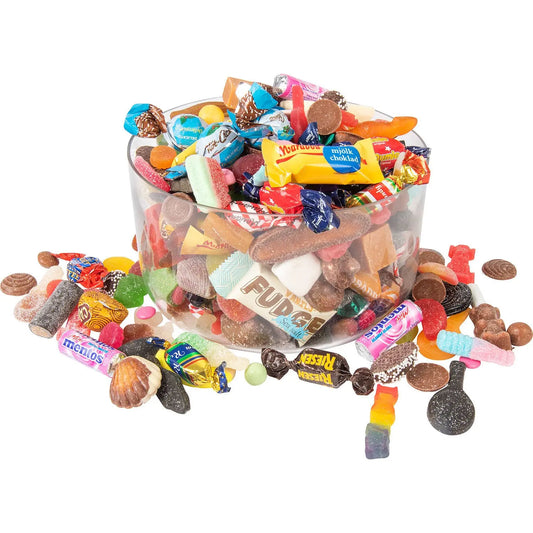
Filled chocolates deserve the closest look. Praline, truffle, and cream-filled assortments can include hazelnut cream, almond paste, peanut butter, or mixed-nut centers. Assorted boxes are especially tricky because one piece may be nut-free by recipe while another is not, and they are commonly packed together.
Chocolate-covered snacks can be a mixed bag too. A chocolate-coated wafer might be nut-free by ingredients, while a similar-looking wafer includes hazelnut filling. Crispies, caramel bars, cookies, and toffee can also share lines with nut products.
Plain milk chocolate, dark chocolate, and white chocolate are often the easiest places to start because their recipes can be simpler. “Often” is doing serious work in that sentence, though. Cocoa, sugar, milk, and good intentions are not a replacement for a clear package label.
What about Swedish pick-and-mix candy?
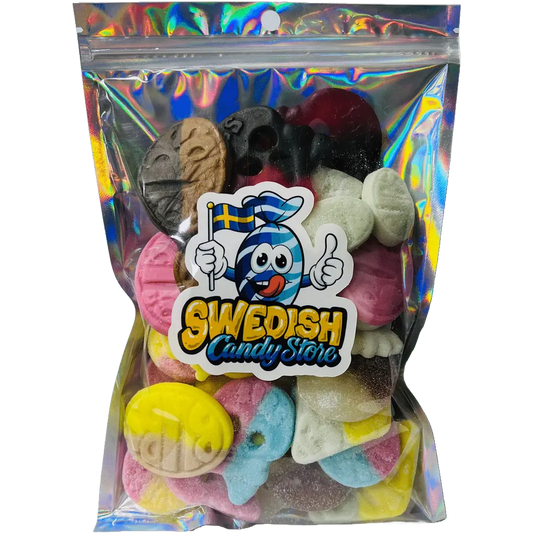
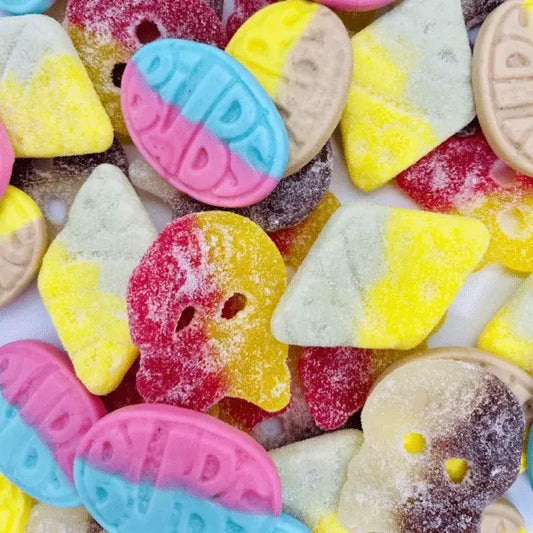
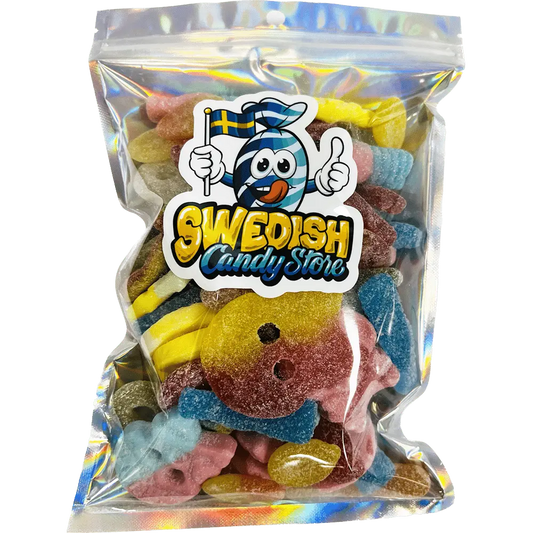
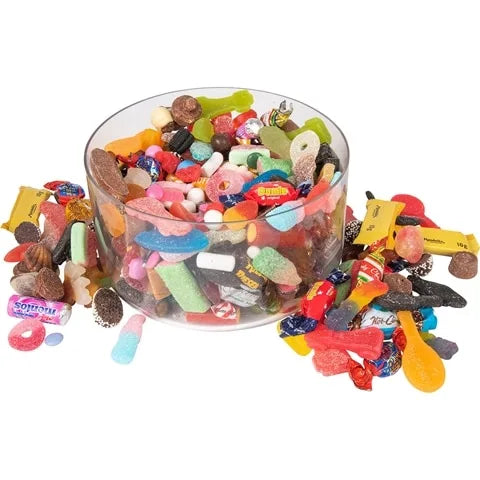
Pick-and-mix is pure candy-DJ joy, but it introduces another allergy question: bin cross-contact. Scoops can move between candies, pieces can wander into neighboring bins, and chocolate-coated items may sit near nut-containing treats. Even if a specific gummy or chocolate piece has no nut ingredients, the self-serve setup may not be appropriate for someone who must avoid trace exposure.
For lower-risk shopping, packaged products are usually easier to evaluate because they come with a complete ingredient and allergen label. If you are building a custom mix for someone with a nut allergy, ask about the handling setup and choose based on the store’s current guidance rather than assuming separated bins mean zero risk.
At Swedish Candy Store, packaged product pages and labels are a useful starting point for browsing dietary needs, but the physical package remains the final word. If anything looks unclear, pause the candy mission and ask before ordering.
A quick label checklist before checkout
Use this mini checklist every time a new Swedish chocolate catches your eye:
- Check for peanut and tree-nut ingredients, including hazelnut, almond, cashew, pistachio, walnut, and pecan.
- Watch for nut-forward fillings such as praline, marzipan, gianduja, and some nougat.
- Look for “may contain,” “may contain traces,” or shared-facility warnings.
- Confirm the exact flavor and package size, since a brand’s different products can have different allergen information.
- Recheck the wrapper when the order arrives, especially if the allergy is severe.
Can you rely on “vegan” or “gluten-free” labels?
No. Vegan means the product is made without animal-derived ingredients. Gluten-free means it is formulated without gluten-containing grains. Neither term tells you whether the chocolate contains nuts or was made around nuts.
The same goes for dark chocolate. People sometimes assume dark chocolate is automatically allergy-friendly because it may not contain milk, but dark chocolate can contain nuts, use nut-based flavorings or fillings, or be produced on shared equipment. Dietary labels are helpful clues for the dietary need they address, not an all-access safety pass.
The best rule for allergy-friendly candy nights
If you are buying for a child, a classroom, a party, or a friend whose allergy details you do not know, choose clearly labeled packaged candy and keep the wrapper available. Do not decant chocolates into a bowl and toss the evidence. A pretty candy spread is great; a mystery chocolate lineup is less cute.
For anyone with a diagnosed allergy, follow their allergist’s plan and carry prescribed emergency medication when advised. Candy labels can help you make a safer choice, but they cannot account for an individual’s medical history or level of sensitivity.
The sweetest move is simple: pick the chocolate that gives you a clear answer, not a guessing game. Then you can get back to the real assignment - enjoying the good stuff.