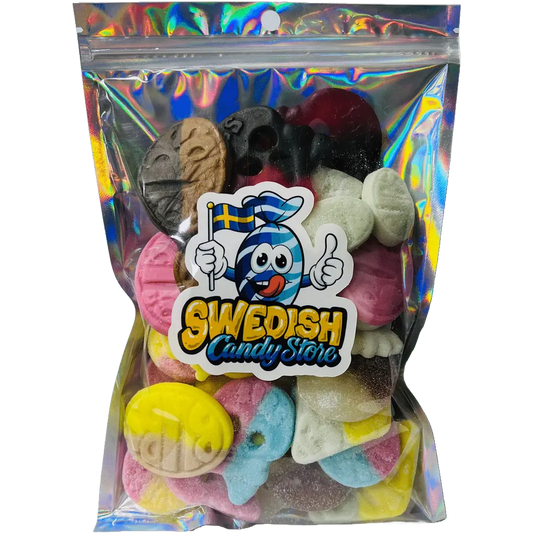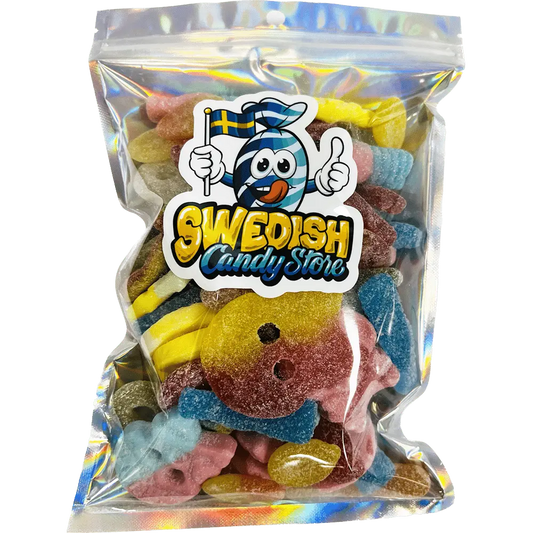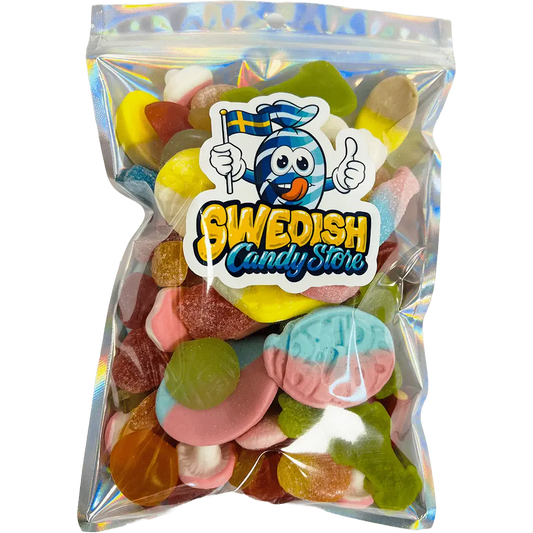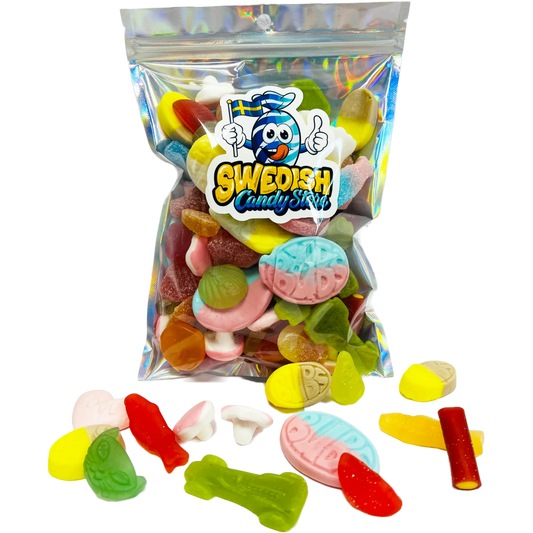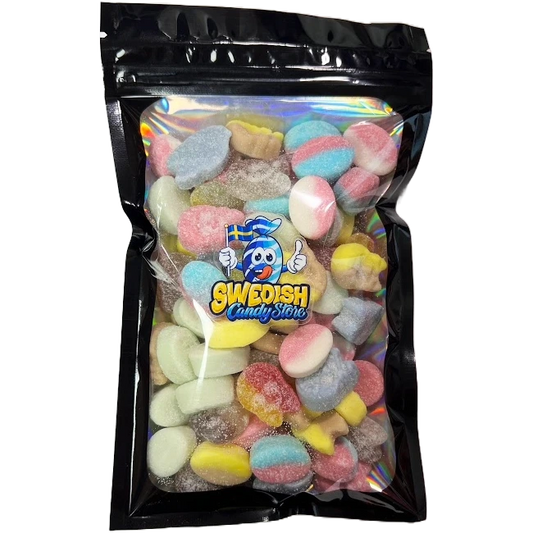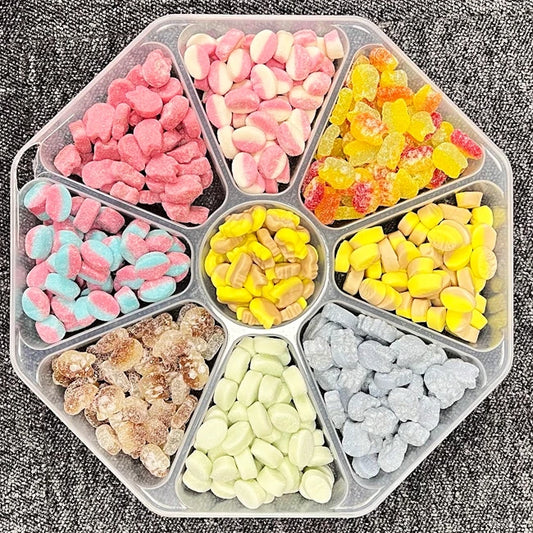

That shiny chocolate bar, fizzy sour skull, or banana-shaped foam might look like pure snack-time chaos. For people managing food allergies, though, candy allergens can turn a tiny treat into a serious label-reading mission. The good news: you do not have to skip the candy party entirely. You just need to know where allergens tend to hide, what product claims actually mean, and when a pick-and-mix scoop is not the right move.
The candy allergens worth watching
In the United States, the major food allergens are milk, eggs, fish, crustacean shellfish, tree nuts, peanuts, wheat, soybeans, and sesame. Any of these can show up in candy, whether as a main ingredient, a flavor component, a coating, or a possible cross-contact risk from the factory.
Milk is a big one in chocolate, creamy caramel, toffee, fudge, and yogurt-coated candy. It can also appear in unexpected places, including certain chewy sweets, white coatings, and filled licorice. If a candy is labeled dark chocolate, do not assume it is dairy-free. Some dark chocolates contain milk, and others may be produced on shared equipment with milk chocolate.
Peanuts and tree nuts are most obvious in pralines, nougat, marzipan, nut-filled chocolate, and crunchy bars. But small pieces of nuts can be hard to spot in mixed candy bags or in production facilities that make many varieties. Soy may be used in chocolate ingredients such as lecithin, while wheat can appear in licorice, cookie pieces, malt flavoring, or crisped inclusions.
Egg is less common in everyday gummies but can show up in foams, meringue-style treats, marshmallow-type candies, and specialty confections. Sesame is another one to check carefully, especially in bars, brittle, or sweets with seeds and tahini-style fillings. Fish and shellfish are unusual in classic candy, but unusual is not the same as impossible - read every label anyway.
Why candy labels can be sneaky
Candy is not always a simple sugar-and-fruit-flavor situation. A single piece can have a shell, filling, coating, flavor layer, and decorative topping, which means more ingredients and more opportunities for allergens to appear.
Start with the ingredient list, then look for the allergen statement near it. On US-packaged products, you may see a clear “Contains” statement naming major allergens. That is helpful, but it should not replace reading the full ingredients. Imported candy can have packaging that looks different from the labels you are used to, and ingredient lists may be updated when recipes change.
The most important rule is wonderfully unglamorous: check the specific package in your hands every time. Do not rely on a photo, an old favorite, a social post, or what a friend says they bought last year. Manufacturers reformulate. Factories change. Your trusty sour gummy may stay the same forever, or it may suddenly get a new coating ingredient. Candy plot twist.
“May contain” means a real decision
You may see statements such as “may contain peanuts,” “may contain traces of milk,” or “made in a facility that also processes tree nuts.” These precautionary statements are about potential cross-contact, meaning an allergen could be introduced accidentally during manufacturing, storage, or packaging.
There is no one-size-fits-all answer to these warnings. For someone with a severe allergy, even a small risk may be too much. Others may have a care plan from an allergist that helps them decide what is appropriate. When an allergy is serious, follow the guidance of the person’s medical professional rather than treating a vague label as a green light.
Pick-and-mix candy and cross-contact
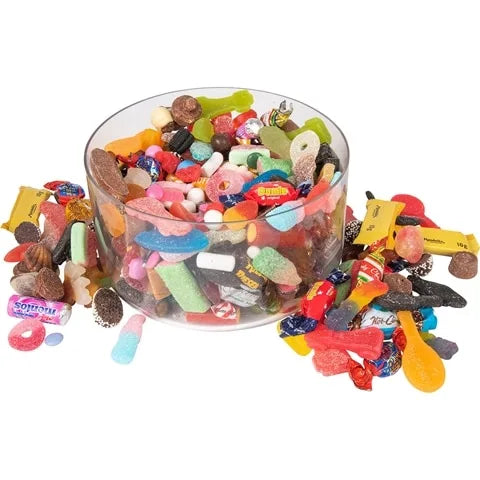
A custom candy mix is peak snack freedom. You get to play candy DJ, choosing sour, sweet, foam, fizzy, fruity, chocolatey, and whatever strange little treasure catches your eye. But open-bin or shared-scoop candy deserves extra caution for anyone with an allergy.
Even if an individual gummy does not list nuts, milk, or wheat in its ingredients, it may have touched a scoop, bin, glove, or neighboring candy that does. Pieces can tumble between sections. A shared scoop can carry residue. This is particularly relevant for allergies where even tiny amounts matter.
For a person with a severe food allergy, individually packaged candy is often the easier choice because the ingredient label belongs to that exact product and the candy is protected from handling in a shared display. That does not make every packaged product safe - cross-contact language and ingredients still matter - but it removes one major variable.
If you are shopping for a group, do not treat an allergen-aware selection like a guessing game. Ask the person with the allergy, or their parent or caregiver, what they can safely eat. They may prefer to bring their own treats, and that is completely fine. The goal is a good time, not an accidental game of ingredient roulette.
Dietary labels are helpful, but they are not allergy guarantees
Swedish candy has plenty of options for different dietary preferences, including vegan, gluten-free, gelatin-free, halal, and sugar-free varieties. Those labels can make browsing much easier, but they should never be treated as a complete allergy safety system.
A vegan candy is usually free from dairy and eggs by recipe, but it may still carry a cross-contact warning for milk. A gluten-free candy may be useful for someone avoiding wheat, but gluten-free does not tell you whether it contains milk, soy, nuts, or sesame. Gelatin-free means no gelatin, not necessarily no egg or dairy. Sugar-free candies may use sugar alcohols, which can cause digestive discomfort for some people when eaten in larger amounts. A candy bowl is not the time to discover that three handfuls of sugar-free gummies have a very specific opinion about your afternoon.
Think of dietary tags as a great starting filter. The package label is the final call.
A smarter way to shop for allergy-aware candy
When you are putting together a treat table, movie-night stash, birthday favor, or gift, planning ahead makes the whole experience more relaxed. Start by identifying the exact allergen to avoid and whether cross-contact warnings are also off-limits. Then select individually packaged products when that gives you clearer information and more separation from other candy.
Keep allergen-containing candy separate from allergy-aware options at home, too. Use separate bowls, scoops, and serving utensils. If you are packing a mixed gift box, do not place a nut-filled chocolate directly beside candies intended for someone avoiding nuts. The mix might look cute, but food safety gets to be the main character.
For kids’ parties and school events, check the venue’s rules before buying. Many classrooms have specific policies around peanuts and tree nuts, while some families manage several allergens at once. A small collection of clearly labeled packaged treats can be more inclusive than one giant mystery bowl.
Questions shoppers ask about candy allergens
Are gummies usually allergy-friendly?
It depends on the gummy. Fruit gummies often do not contain nuts, but they can contain gelatin, wheat-based ingredients, milk derivatives, or cross-contact warnings. Foam gummies and marshmallow-style candy may be more likely to include egg or dairy ingredients. Read the exact label, not the candy category.
Is Swedish candy safe for people with allergies?
Swedish candy is not one single recipe or one single factory standard. Some products may fit certain dietary needs, and others will not. The safest approach is to review every product’s ingredients and allergen information, especially with imported assortments and changing recipes.
Can I remove the unsafe candy from a mixed bag?
Not for a serious allergy. Once candy has been mixed together, there may be residue or cross-contact from touching pieces, packaging, or shared handling. Choose separately packaged products or a dedicated allergen-aware selection instead.
A great candy moment should feel fun, not stressful. Build your stash around labels you trust, keep cross-contact in mind, and save the wild party of fruity gummies for treats that fit your needs. At Swedish Candy Store, the best pick is always the one you can enjoy with confidence.