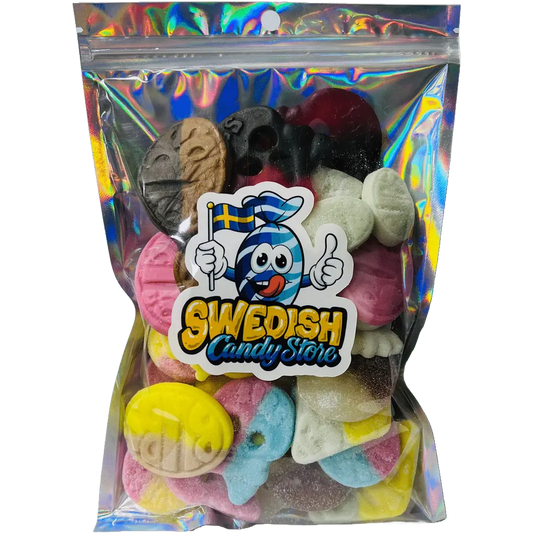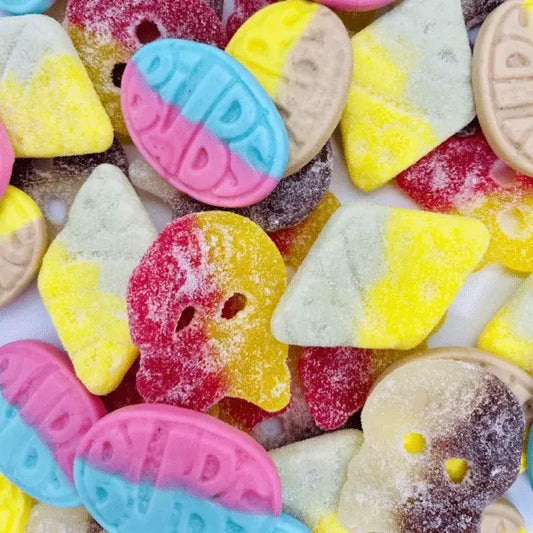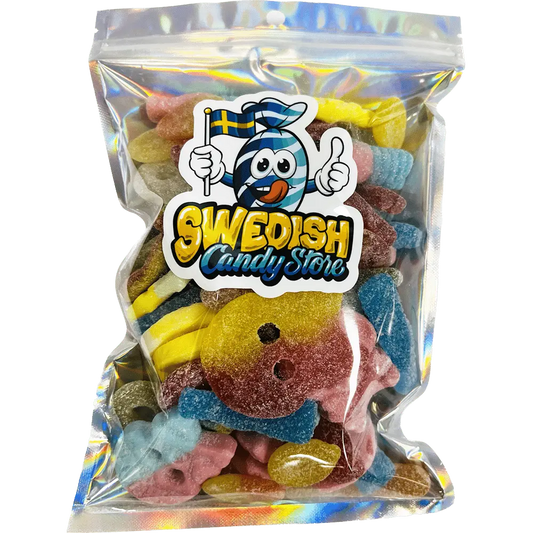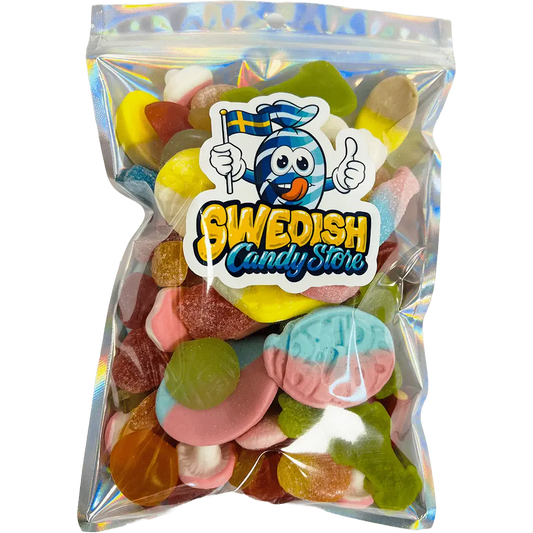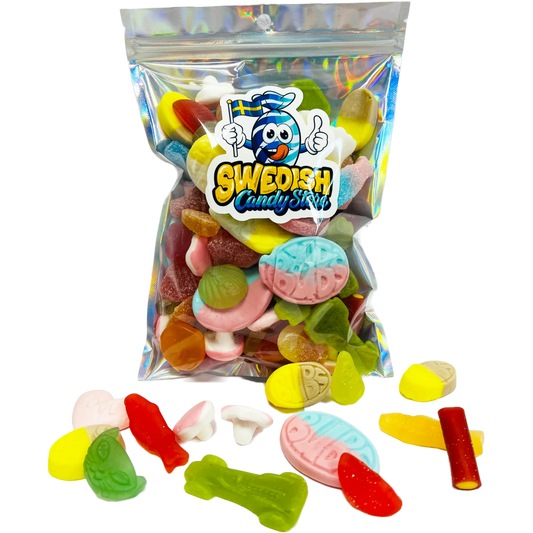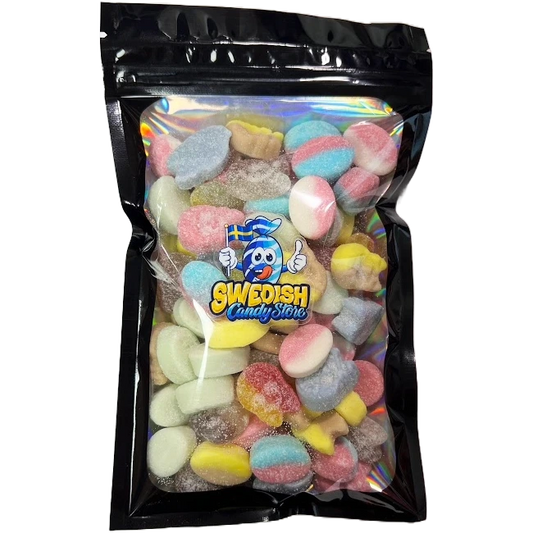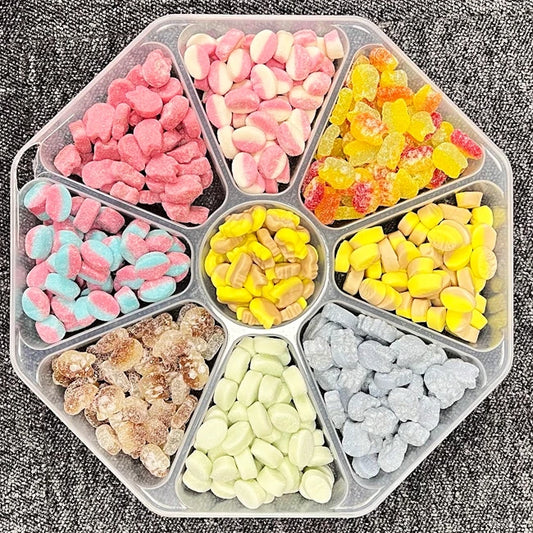

That colorful pick-and-mix wall is calling your name, but one question can stop a candy spree in its tracks: do Swedish sweets contain gelatin? The short answer is: some absolutely do, and plenty do not. Swedish candy is a massive, wildly fun category, not one single recipe. You will find classic gelatin gummies, bouncy foam treats made without it, chewy licorice, chocolate, sour belts, and more.
If you avoid gelatin for vegan, vegetarian, halal, kosher, or personal reasons, you do not have to sit out the Swedish candy party. You just need to know what to look for before your scoop turns into a surprise.
Do Swedish Sweets Contain Gelatin? It Depends on the Candy
Gelatin is a protein typically derived from animal collagen. In candy, it creates that familiar springy chew found in many gummy bears, fruit-shaped gummies, and marshmallow-style pieces. It is not unusual in Swedish sweets, especially traditional gummies and certain foam candies.
But Swedish confectionery also has a serious lineup of gelatin-free treats. Manufacturers may use starch, pectin, agar, or other plant-based gelling agents to create a soft, chewy, or jelly-like texture. That is why two candies that look almost identical in a pick-and-mix bin can have completely different ingredient lists.
The country’s candy culture is wonderfully broad. Sweden loves texture: soft foam mushrooms, firm fruit gummies, salty licorice, sour-coated skulls, fizzy bottles, chocolate-coated bites. Gelatin is one way to make candy chewy, but it is far from the only way. A fruity piece may be vegan-friendly, while the candy right beside it may contain gelatin. Looks can be deceiving. Candy has secrets.
Why Gelatin Shows Up in Gummies and Foam Candy
Gelatin gives candy a distinct bounce and melt. It can create a satisfying chew that holds up well in gummy shapes, which is why it remains common in many classic recipes. It is particularly worth checking when you are shopping for gummy animals, fruit slices, jelly hearts, marshmallow pieces, or foam-and-gummy combos.
That said, foam candy is not automatically made with gelatin. Many Swedish foam favorites get their airy texture from whipped sugar mixtures and plant-based setting agents such as starch. Some recipes may include gelatin, egg white, or other ingredients instead. The only reliable answer is the specific package or product label.
Sour candy can go either way, too. A sour sugar coating tells you about the flavor experience, not the gelling agent underneath. The same goes for bright colors, cute shapes, and viral-worthy candy aesthetics. A giant pink-and-blue skull is not submitting its dietary credentials based on vibes.
How to Check Whether Swedish Candy Has Gelatin
Start with the ingredient list. Look for the word “gelatin” or, on products labeled in Swedish, “gelatin.” It is often straightforwardly listed, which makes label reading much less dramatic than trying to decode a mystery gummy by texture alone.
For a gelatin-free choice, look for clear product language such as “vegan,” “gelatin-free,” or a plant-based designation. Vegan candy generally does not contain gelatin because gelatin is animal-derived. Still, reading the full label is smart, especially if you have allergies or follow a stricter dietary practice.
A few ingredient clues can help:
- Pectin is a fruit-based gelling agent often used in jelly-style candies.
- Starch can provide chew and structure, especially in foam and molded sweets.
- Agar is a seaweed-derived setting agent used in some plant-based candy.
- Gelatin means the candy is not vegetarian or vegan.
Gelatin-Free Does Not Automatically Mean Vegan
This is where candy-label detective work gets a little more interesting. A product can be gelatin-free but still contain ingredients that do not fit a vegan diet, such as milk, whey, beeswax, shellac, or egg. Chocolate and creamy fillings are especially likely to include dairy.
The reverse is simpler: if a candy is genuinely vegan, it should not contain gelatin. But vegan does not necessarily mean it works for every dietary need. For example, a vegan candy may not be certified halal or kosher, and a halal item is not automatically vegan. If certification matters for your household or guests, look beyond the gelatin question and verify the product’s stated claims.
Gluten-free is another separate issue. Candy can be gluten-free and contain gelatin, or it can be vegan and contain gluten in a coating or flavor component. One label claim is useful, but it is not a universal all-clear signal.
Swedish Candy Categories That Are Often Easier to Shop
If gelatin is off your menu, some categories tend to make shopping easier. Hard candy, many sour belts, licorice, chocolate bars, caramel, and certain fruit jellies may be gelatin-free. “May be” is doing real work there. Recipes vary by brand, flavor, and even format.
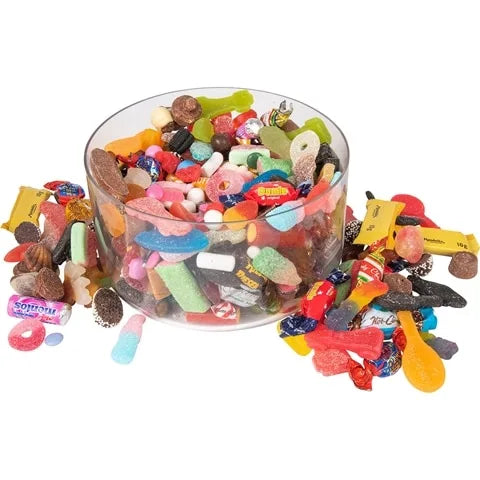
Packaged products are usually the simplest place to start because they provide a complete ingredient panel. Pick-and-mix candy is more of an adventure. It is perfect for playing candy DJ and building a wild party of fruity gummies, fizzy sour pieces, and salty licorice, but it requires a little more attention when dietary preferences are involved.
For a gelatin-free mix, choose pieces that are individually labeled or clearly identified by their product information. Keep them separate from gelatin-containing candy when serving someone who avoids gelatin strictly. A shared scoop can cause cross-contact, and a “close enough” approach is not very sweet when someone is relying on you to get it right.
What About Popular Swedish Candy Brands?
Swedish brands make candy across many dietary categories, so no brand can be labeled entirely gelatin-free or entirely gelatin-containing. A company may offer vegan foam candies, traditional gelatin gummies, dairy chocolate, and licorice all under the same name. Shop by the individual product, not the logo alone.
BUBS, for example, is widely loved for its playful foam-and-sour candy lineup and has many products that appeal to plant-based candy fans. Still, the right move is checking the product-specific listing and label every time. Other favorites, including Malaco, Cloetta, Fazer, and Ahlgrens, also make a wide range of sweets with different ingredient profiles.
That variety is part of the fun. Swedish candy is not a one-note bag of bears. It is an entire snack universe, and dietary-friendly choices can be every bit as colorful, tangy, chewy, and ridiculously satisfying as the classics.
Build a Better Gelatin-Free Candy Mix
A great gelatin-free mix should feel intentional, not like the consolation prize after every gummy gets eliminated. Start with a few tart fruit jellies or sour belts for brightness. Add foam candies made with plant-based ingredients for that light, pillowy bite. Then bring in licorice, hard candy, or chocolate for contrast.
Texture is the trick. Pair a soft fruit chew with something crisp, something sour, and something creamy or salty. A mix with only one texture gets boring fast, even if every piece is neon and photogenic. Think of it like a playlist: one banger is great, but the full set needs range.
If you are shopping for a gift, include the ingredient information with the candy or choose clearly packaged options. That small detail makes a birthday bag, movie-night stash, or office treat feel thoughtful instead of risky. Nobody wants to interrogate a gummy fish at a party.
The best answer to the gelatin question is not “yes” or “no.” It is “check the candy, then enjoy it with confidence.” At Swedish Candy Store, the joy is in finding the Swedish sweets that fit your cravings and your preferences - no international-ordering headache, no bland backup snacks, just the good stuff waiting for its moment in the candy bowl.