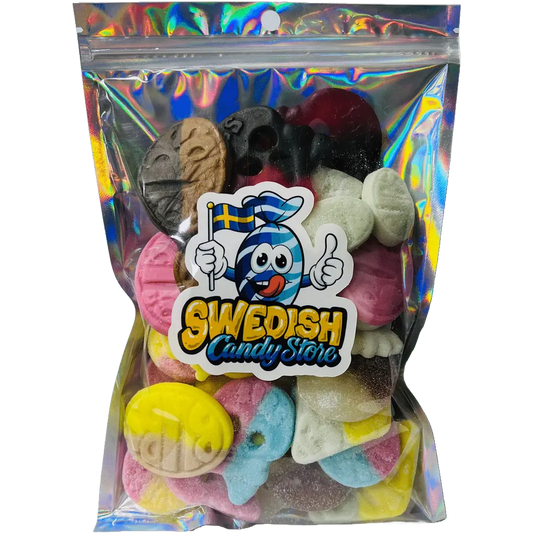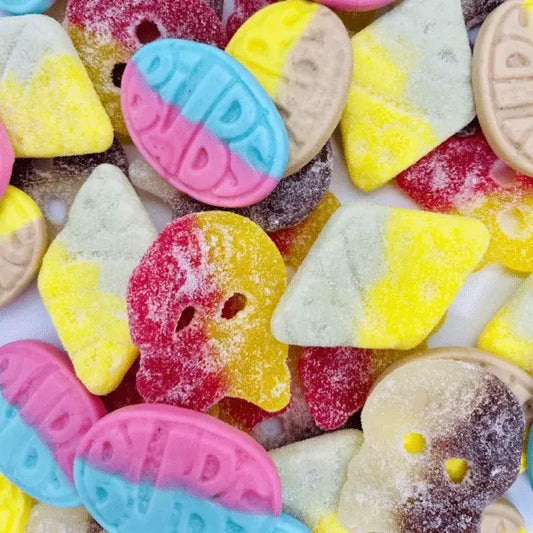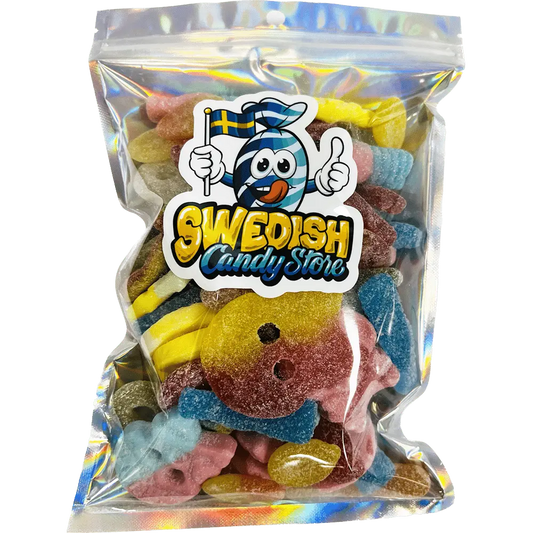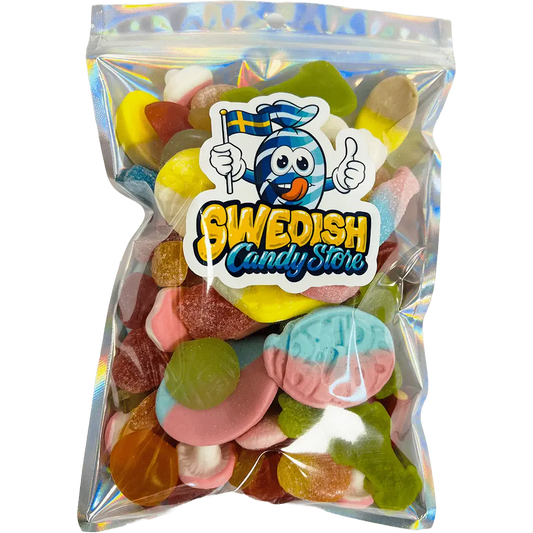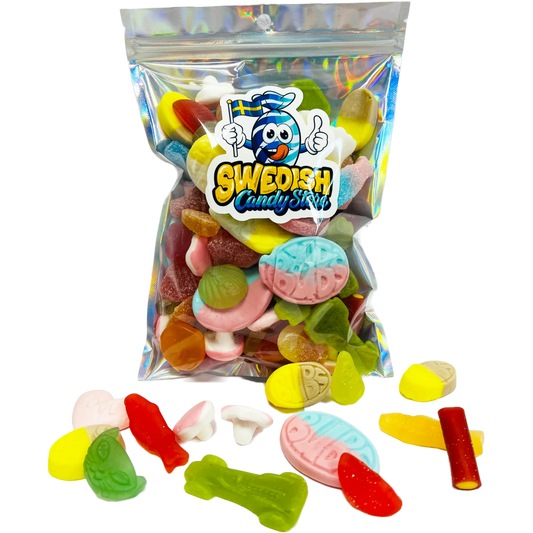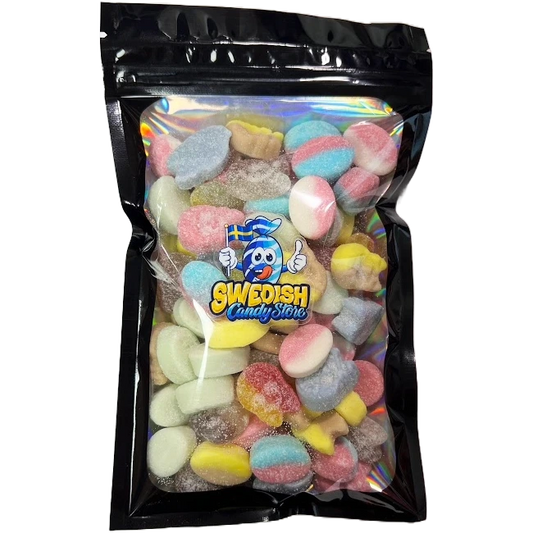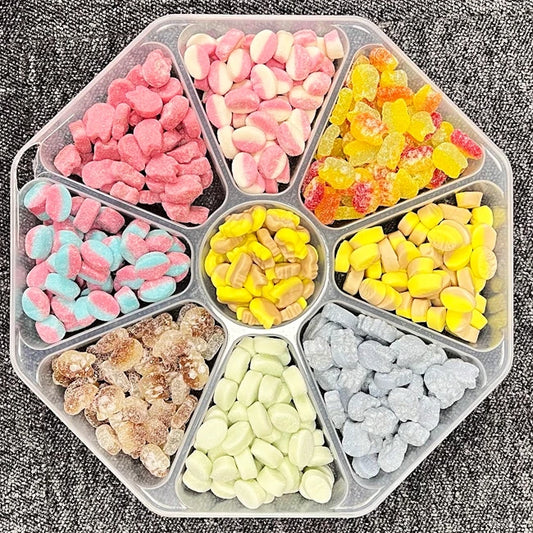

That first bite is the giveaway. A fresh Swedish gummy has a springy little bounce. A sour skull has a bright, zippy coating instead of a dusty shrug. Even the foam candies feel soft, not like they have been waiting in a gas-station display since last summer. So, why is Swedish candy fresher? Usually, it comes down to a candy culture built around high turnover, smart handling, and products made to be enjoyed in their best texture window.
Freshness is not one magic Swedish ingredient. It is a chain of small choices, from how quickly candy moves off shelves to how it is packed, stored, and shipped. Get the chain right and your pick-and-mix haul arrives ready for its close-up.
Why Swedish candy feels fresher
The short answer: Swedish candy is often sold and handled in a way that protects the experience people actually want - soft gummies, crisp sour coatings, fluffy foam, and creamy chocolate. Those textures do not stay perfect forever, even when a product is still within its best-by date.
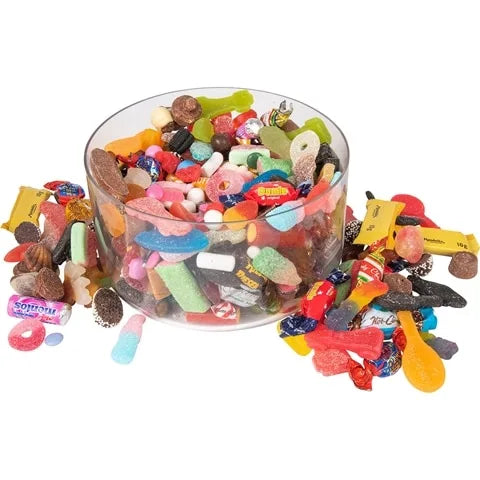
Sweden has a long-standing pick-and-mix candy tradition, often called lösgodis. Candy is not just an occasional checkout-lane add-on. It is a weekend ritual, a movie-night move, a “just one more scoop” situation. When stores sell a lot of bulk candy, bins are refilled more often and individual pieces spend less time hanging around. Faster turnover can mean a noticeably better chew.
That does not mean every bag with Swedish writing is automatically fresher than every other candy in the world. A sealed product can sit in a warehouse, and bulk candy still needs careful handling. But when authentic Swedish candy is sourced through active supply channels and kept moving, the difference is deliciously obvious.
Turnover matters more than people think
Candy has an enemy, and it is not the kid who raids the pantry at midnight. It is time.
Gummies gradually lose moisture and become firmer. Marshmallow-style foam candies can dry out. Sour coatings can pull in humidity and lose their powdery punch, while chocolate can develop bloom if it goes through repeated temperature swings. None of this necessarily makes candy unsafe, but it can make it less fun to eat.
High-demand Swedish favorites tend to move quickly, especially the fruity, sour, and foam-heavy varieties that have gone viral in the U.S. When a retailer restocks frequently and sells through inventory steadily, customers are more likely to get candy closer to its ideal texture. That is the difference between a gummy that gently fights back and one that has turned into a tiny rubber tire.
The texture is part of the recipe
Swedish candy is famous for bold flavor, but texture is doing serious work behind the scenes. Many beloved pieces pair a tender chew with a fizzy sour shell, or combine soft foam with a fruity gummy layer. Those contrasts are intentional. Freshness is what lets them show off.
Take sour gummies. Their coating is typically made with acids and sugar, which create that eye-squinting, tongue-tingling first hit. If the candy is exposed to too much moisture or sits too long after being opened, the coating can soften or dissolve into the surface. The flavor may still be there, but the drama is gone.
Foam candy has its own rules. Its light, pillowy bite depends on moisture and structure. Fresh pieces feel airy and yielding, while older ones can become dry or oddly dense. This is why a fresh bag of Swedish foam bananas, skulls, mushrooms, or other delightfully weird shapes can feel so different from a stale candy aisle find.
Packaging protects the good stuff
Packaged Swedish candy is often sealed in a way that helps manage exposure to air and moisture. That matters most for products that need to stay soft, sour, crisp, or creamy. A properly sealed bag cannot stop time, but it gives candy a much better chance of reaching you in the condition the maker intended.
For pick-and-mix candy, freshness depends on the retailer’s storage and replenishment practices. Clean, covered bins or containers, sensible inventory rotation, and packing candy only after an order is placed all help preserve that just-scooped feel. Once a custom mix is assembled, a well-sealed bag helps keep all those fruity, fizzy personalities from going flat on the trip to your door.
There is one trade-off: mixed candy is wonderfully chaotic, but different pieces age differently. A soft foam piece, a hard candy, and a super-sour gummy do not have identical freshness needs. If you are building a mix for later, consider grouping similar textures together or keeping the bag sealed until snack time.
Shorter, smarter shipping helps
For U.S. shoppers, the journey from Sweden can be the part that raises questions. Imported candy has to travel, so how can it still taste fresh?
The answer is that international sourcing and domestic fulfillment are not the same thing. A retailer can import authentic products through planned inventory shipments, store them appropriately in the U.S., and send customer orders from domestic stock. That avoids the slow, unpredictable experience of ordering one bag directly from overseas and hoping it survives a long chain of handoffs.
At Swedish Candy Store, that means authentic Swedish sweets can be packed and shipped domestically rather than sent one customer order at a time across borders. Faster fulfillment is not just convenient when you need candy for a birthday, gift box, or Friday-night couch marathon. It also reduces the time your order spends bouncing around in transit conditions that candy absolutely did not ask for.
Heat is the biggest troublemaker. Chocolate can soften or bloom, and gummies can get sticky in hot conditions. Cold is usually less dramatic for most gummies, though repeated temperature changes are never ideal. If you live somewhere very warm, bringing a delivered package inside promptly is one of the easiest freshness wins available.
Fresh does not always mean “made yesterday”
A common misconception is that fresh candy must have been produced days ago. Candy is manufactured to have a shelf life, and many sealed products are designed to stay excellent for months when stored correctly. The real question is whether it has been protected from the things that damage quality: excess air, humidity, sunlight, heat, and long periods after opening.
That is why date information is useful, but it is not the whole story. A best-by date tells you the manufacturer’s quality target under recommended conditions. A candy that is well within date but stored in a hot car can disappoint. A properly sealed bag approaching its best-by date may still taste great.
For loose Swedish candy, the better clues are sensory. Look for vibrant color, a distinct sour or sugary coating where expected, and pieces that are not clumped, wet, brittle, or unusually hard. When you open the bag, the aroma should smell fruity, sweet, chocolatey, or licorice-rich - not faint, stale, or mysteriously like the back of a cabinet.
How to keep your Swedish candy fresh at home
You have scored the good stuff. Do not let a sunny countertop ruin the party.
Keep unopened bags in a cool, dry place away from direct sunlight. A pantry or cabinet is usually better than the refrigerator, because fridge humidity can affect gummy and sour textures when candy is taken in and out. For chocolate, a consistently cool room is ideal. If your home is very hot, refrigeration can be a practical backup, but seal the candy tightly and let it come to room temperature before opening to reduce condensation.
Once you open a bag or custom mix, press out extra air and reseal it tightly. An airtight container is even better for larger stashes. Try not to leave candy open during a long movie marathon unless you are fully prepared to finish it. No judgment. That is simply efficient inventory management.
If you are saving candy for a party or gifting it, buy with enough time for delivery but not so far ahead that it sits forgotten in a warm closet. And if a mix contains delicate chocolate alongside sour gummies, consider storing them separately after arrival. Your chocolate will appreciate not being introduced to stray sour sugar.
The freshest choice is the one that moves
The real reason Swedish candy can taste so fresh is wonderfully unglamorous: it is loved, bought, restocked, and eaten. A candy culture that treats pick-and-mix as a weekly ritual creates demand. Strong demand supports faster turnover. Better storage and domestic shipping help protect what that turnover starts.
So when you are choosing your next haul, think beyond the flavor name and the adorable bag design. Choose a seller that specializes in authentic Swedish candy, keeps popular products moving, and gets your order to you without a long international wait. Then seal the leftovers well - assuming there are any.