
A gummy can look innocent, fruity, and ready for its close-up, then hide gelatin or beeswax in the fine print. Learning how to select vegan gummies means looking past the color and cute shape to find candy that matches your diet and still delivers the main event: a seriously good chew.
The good news is that vegan candy is not a sad consolation prize. Great vegan gummies can be bouncy, tender, sour, sweet, juicy, and wildly snackable. The trick is knowing which ingredients create that texture, which labels actually answer your question, and how to shop for the flavor mood you are after.
Start With the Ingredients, Not the Front Label
“Vegan” on a package is the clearest green flag, especially when it is backed up by a full ingredient list. But if a product does not have a vegan callout, do not assume it is off-limits or automatically safe. Ingredient lists are where the candy detective work happens.
The biggest ingredient to watch for is gelatin. Traditional gummies often use gelatin to create their springy, chewy texture, and gelatin comes from animal collagen. If gelatin appears anywhere on the label, the gummies are not vegan. This one is usually easy to spot, but it is only the first check.
Also look for ingredients that can be animal-derived, including beeswax, shellac, carmine, milk, whey, cream, butter, and yogurt powder. Beeswax may be used as a glazing agent, while shellac can give candy a glossy finish. Carmine, sometimes listed as cochineal or carminic acid, is a red colorant made from insects. A bright red gummy is not automatically non-vegan, but it earns a closer look.
Natural flavors can feel vague, and sometimes they are. In most fruit gummies, they are not the issue, but a clear vegan label offers extra reassurance when a flavor ingredient is not explained in detail. If you have a strict dietary need or allergy, always rely on the package currently in your hands rather than an old product photo or a memory from last summer's candy haul.
How to Select Vegan Gummies by Texture
No gelatin does not mean no chew. Vegan gummies use plant-based ingredients to create different kinds of bite, and the texture tells you a lot about what snack experience to expect.
Pectin is a fruit-based gelling agent often used in softer, juicier gummies. It can create a tender chew with a clean bite, especially in fruit-forward candy. Think less rubber band, more plush little fruit cloud. Pectin gummies are a great pick if you like candy that feels soft and fresh rather than extra dense.
Starch-based gummies often have a satisfying, slightly firmer chew. They can be smooth, chewy, and wonderfully substantial, particularly in foam candies and molded shapes. Modified starch is common in candy and is generally plant-based, though a vegan label remains the easiest way to confirm the finished product meets your standards.
Agar-agar, derived from seaweed, can make a firmer gel. It is less common in everyday gummy bags but worth knowing if you prefer a clean, set texture. Some vegan recipes combine pectin, starch, and other plant-based ingredients to land somewhere between soft and bouncy.
Texture is personal. If you love a long, chewy pull, choose gummies described as chewy, firm, or foam-and-gummy. If you want something gentler on your jaw, look for fruit jellies, soft gummies, or pectin-based sweets. There is no universal winner here. There is only the correct answer for your snack craving at 9:47 p.m.
Pick a Flavor Lane Before You Fill the Bag
Vegan gummies come in more than one flavor universe. Shopping by mood keeps you from ending up with a mixed bag that is technically perfect and emotionally wrong.
For a bright, candy-shop fruit hit, look for strawberry, raspberry, pear, banana, watermelon, peach, or tropical flavors. Swedish-style fruit gummies are especially fun because they often taste punchier and less one-note than standard grocery-store candy. The best ones balance sweetness with a little tartness so the flavor stays lively instead of flat.
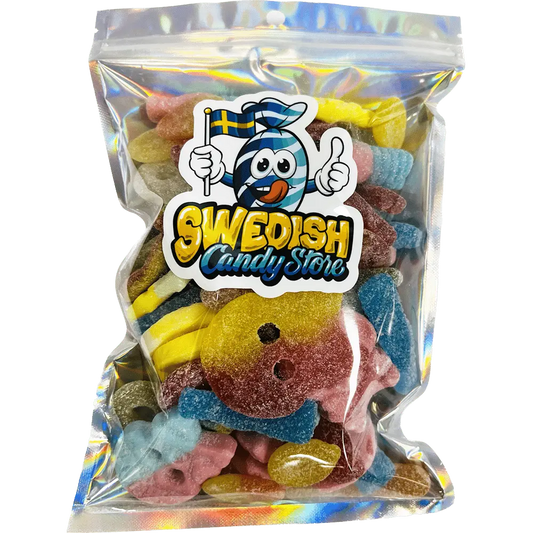
If sour candy is your personality trait, check what creates the coating. Citric acid and malic acid are common vegan-friendly acids that bring that lip-puckering zing. Citric acid tends to taste clean and citrusy, while malic acid can feel sharper and longer-lasting. A sour gummy with a soft interior gives you the best kind of chaos: tangy crystals outside, fruity chew inside.
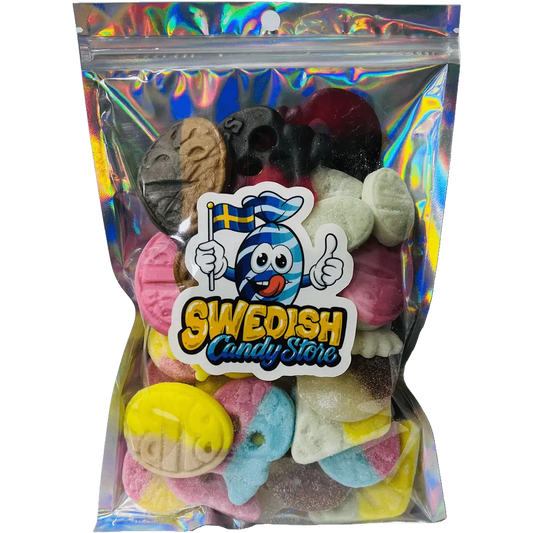
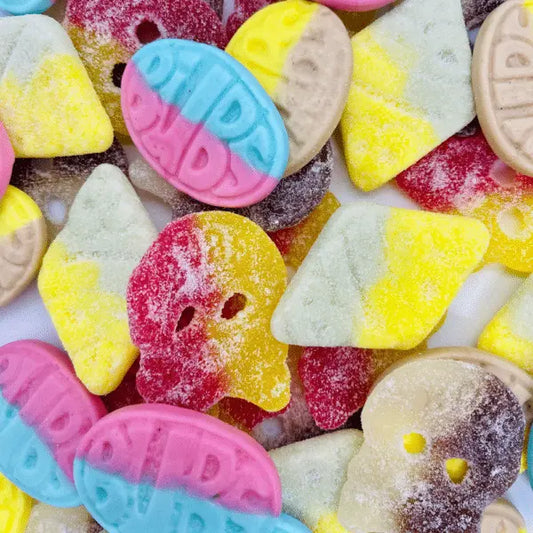
For a more mellow candy moment, choose sweet foam gummies, berry blends, or fruit-and-vanilla combinations. Foam candies can be surprisingly addictive because they bring two textures to the party. They also look excellent in a pick-and-mix bag, which is not a nutritional fact but is absolutely relevant.
Licorice fans should be extra label-aware. Some licorice is vegan, while other varieties may contain gelatin, beeswax, dairy, or other animal-derived ingredients. The same goes for filled gummies, marshmallow-style candy, and chocolate-coated treats. The more layers a candy has, the more reasons to read the label like you are casting a very tiny, very delicious mystery series.
Do Not Confuse Gelatin-Free With Vegan
“Gelatin-free” is helpful, but it is not a full vegan guarantee. A candy can skip gelatin and still contain beeswax, dairy, shellac, or carmine. Similarly, “plant-based” sounds promising but may not tell you enough about every ingredient in the recipe.
For shoppers who avoid only gelatin, a gelatin-free filter can be useful. For shoppers following a vegan lifestyle, the better move is to look for an explicit vegan statement and then scan the ingredients anyway. That extra 20 seconds can save you from a bag of candy that looked like a yes but turned into a nope.
This matters even more with imported candy. Recipes, package designs, and certifications can vary by market or change over time. Swedish candy is famous for playful shapes, bold flavors, and big mix-and-match energy, but every product should be checked on its own current label. Familiar brand names are not a substitute for ingredient confirmation.
Check for Your Other Dietary Needs Too
Vegan is one filter, not the whole candy universe. If you need gluten-free, sugar-free, halal, nut-free, or dairy-free options too, read for those requirements separately. A vegan gummy may contain wheat starch or be produced in a facility that handles allergens. A gluten-free gummy may use gelatin. Candy labels contain multitudes.
Sugar-free gummies deserve their own small reality check. They may use sugar alcohols such as maltitol, which can bother some stomachs when eaten in larger amounts. If you are trying sugar-free candy for the first time, start with a modest handful rather than treating the bag like a personal challenge. Your future self will appreciate the restraint.
For allergies, check both the ingredient statement and any “may contain” or facility information. Dietary labels are useful shopping shortcuts, but the package is still the final boss.
Shop for Freshness and the Right Amount
Fresh gummies should feel springy, soft, and pleasantly chewy, not rock-hard, greasy, or fused into one mysterious mega-gummy. Packaging matters because it protects texture and flavor. Sealed bags are excellent for stocking up, while pick-and-mix is perfect when you want to sample several shapes and flavors without committing to a full bag of every single one.
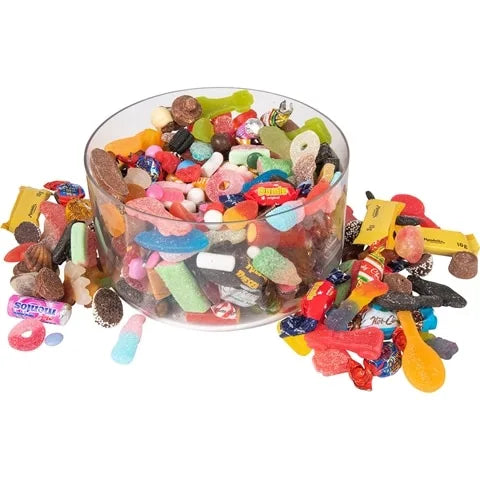
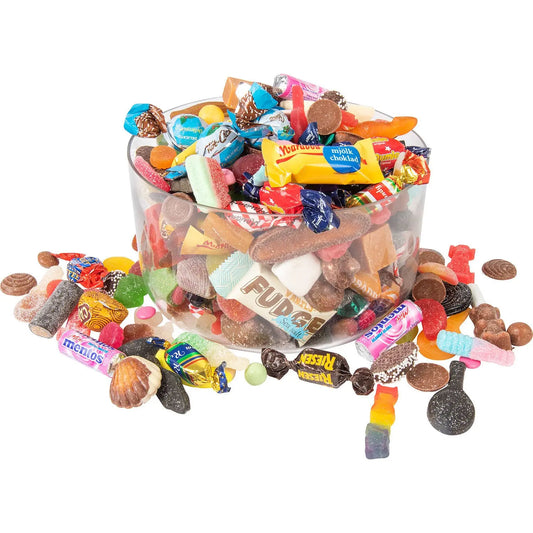
If you are building a custom mix, give it some contrast. Pair a sour fruit gummy with a sweet foam piece, add a firmer chew next to a softer jelly, and include colors that make the bag look like it belongs in your feed. If you are sharing, choose familiar fruit flavors plus one wildcard. If you are gifting, go for a visually loud mix with a clear vegan-friendly theme so nobody has to play ingredient roulette.
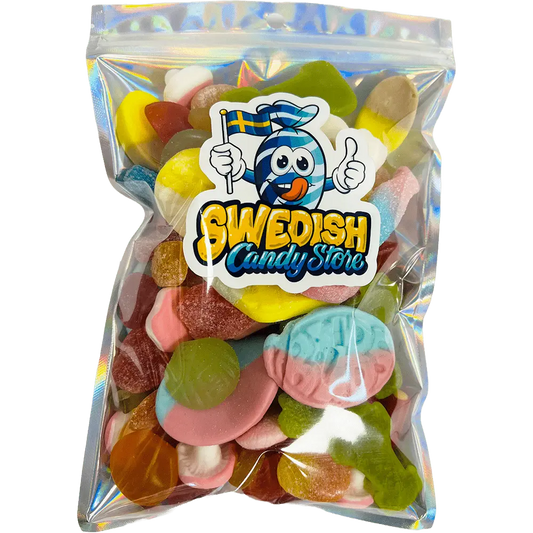
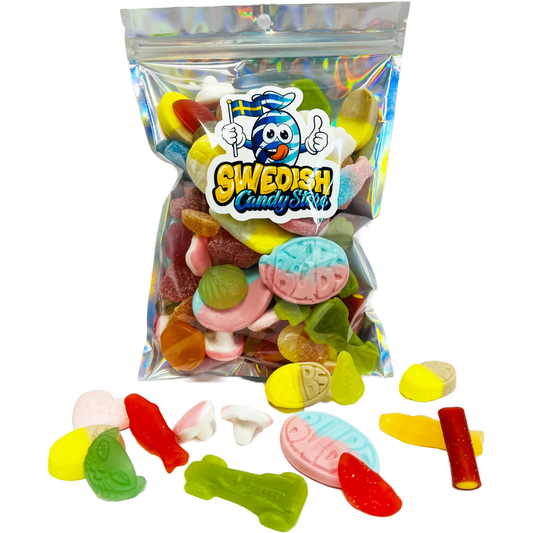
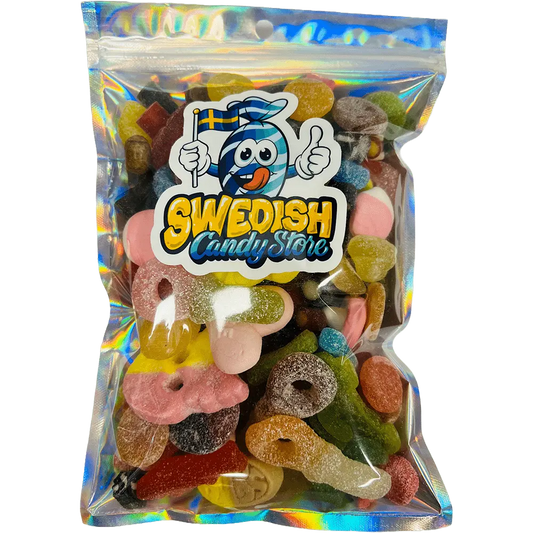
At Swedish Candy Store, vegan options can make it easy to play candy DJ: build a set that moves from juicy berry notes to sour citrus chaos, with a soft foam interlude in the middle.
A Fast Vegan Gummy Check at Home
When you are deciding between two bags, use this quick four-part check:
- Look for an explicit vegan claim, then verify the ingredient list.
- Rule out gelatin, beeswax, shellac, carmine, and dairy ingredients.
- Choose a texture base that fits your preference: pectin for soft and juicy, starch for a fuller chew.
- Match the flavor to your mood: sweet fruit, sour fruit, foam candy, or licorice.
The best vegan gummies are the ones you reach for without thinking twice: bright flavors, a texture you genuinely love, and ingredients that let you enjoy every last piece. Grab a few different styles, make your own tiny taste test, and let your ideal candy lineup reveal itself one chewy, sour, fruity bite at a time.