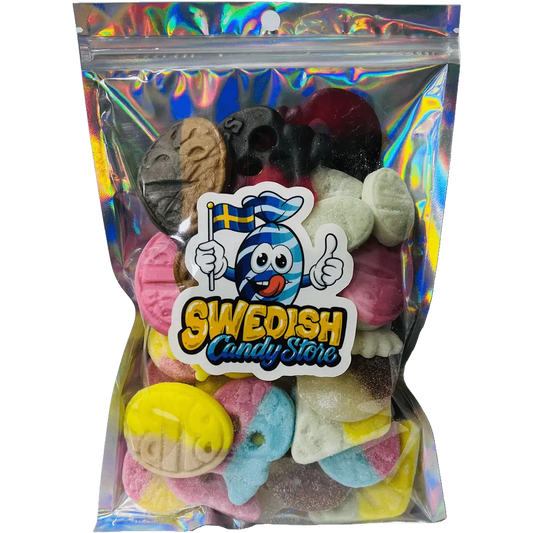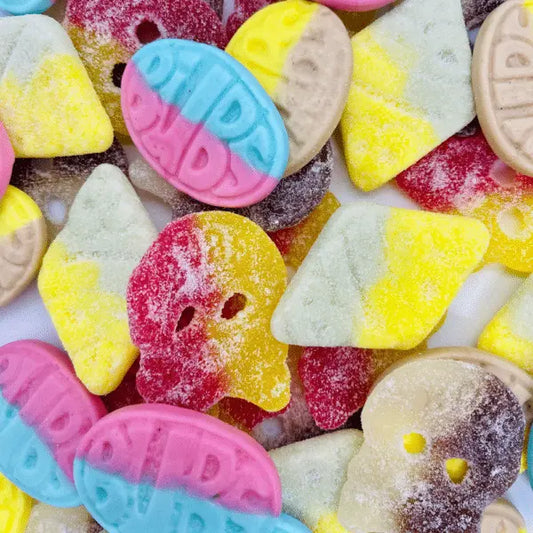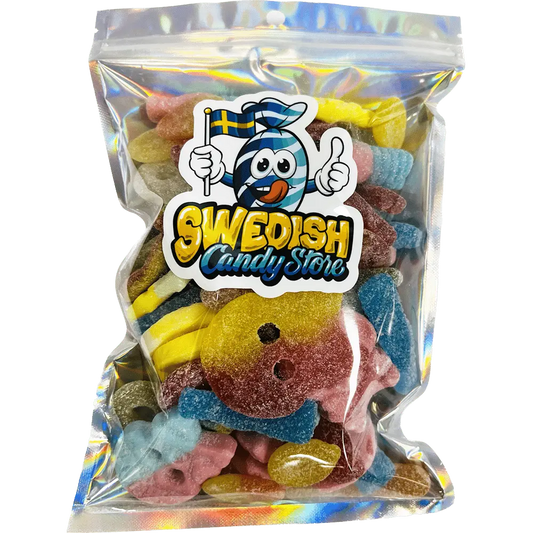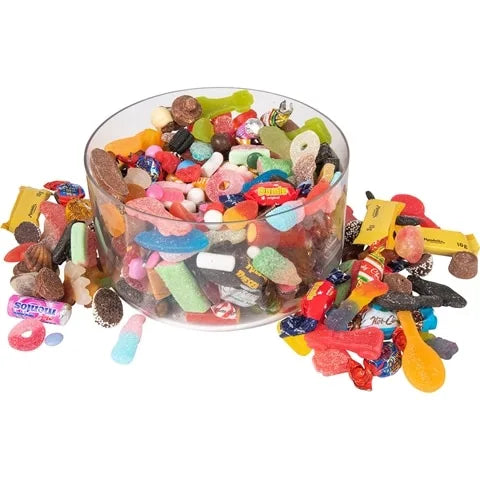

A great gummy has a job to do: spring back when you squeeze it, give a little resistance when you bite it, then hit you with a juicy burst of flavor. If it feels like a sad little pebble or smells vaguely like the back of a pantry, the party is probably over. Knowing how to identify fresh gummies means you can shop your candy haul with confidence and save your taste buds from a disappointing chew.
Freshness matters even more with Swedish-style candy, where the texture is often the whole main character. Think soft foam, bouncy fruit chews, tangy sour coatings, and squishy shapes that are meant to feel playful, not stale. Here is what to look for before you buy, open, or build your next pick-and-mix masterpiece.
How to Identify Fresh Gummies by Texture
Texture is the fastest freshness tell. Most gummies should feel soft, flexible, and gently springy. Press one between clean fingers. A fresh gummy should give under light pressure and slowly return toward its original shape. It should not crack, crumble, or stay dented like it has been through a rough week.
That said, not every gummy is supposed to have the same feel. Gelatin gummies usually have a firmer bounce, while pectin gummies can be softer and more tender. Foam candy should feel pillowy rather than rubbery, and filled gummies may have a slightly firmer outer shell. A fresh sour gummy can also feel drier on the outside because of its sugar-and-acid coating. That is normal. The red flag is a gummy that is hard all the way through, overly sticky, or tough enough to make your jaw file a complaint.
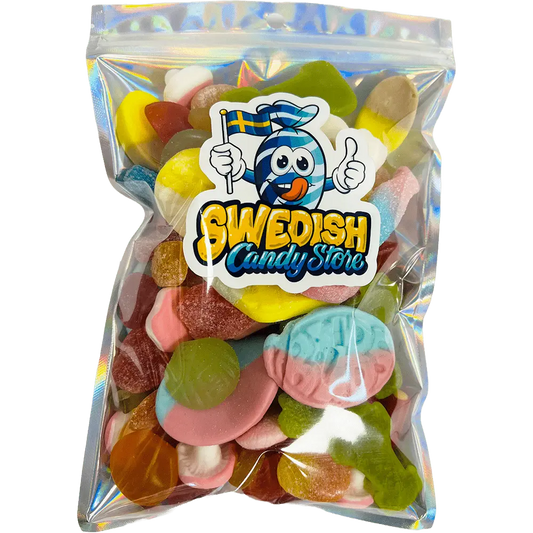
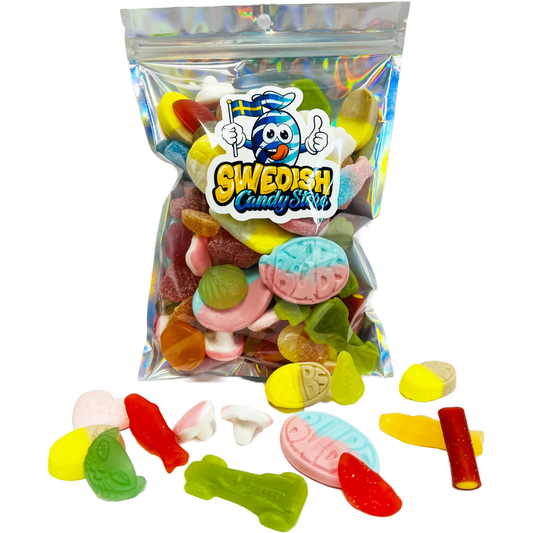
If you are shopping from a bulk candy bin or a pick-and-mix selection, look for pieces that hold their shape without appearing dried out. Fresh candy should look invitingly plump. Flattened pieces, shriveled edges, or gummy surfaces that look leathery usually mean the candy has lost moisture.
The bite test, if the bag is already open
A fresh gummy has a clean chew. It may be dense, soft, foamy, or bouncy depending on the recipe, but it should not be strangely gritty or rock-hard beneath the surface. It should release flavor as you chew instead of tasting flat for a few seconds and then disappearing.
A little firmness does not automatically mean a gummy is bad. Some gummies are intentionally chewier, especially classic fruit shapes and licorice-adjacent candy. The question is whether the texture feels intentional. Fresh candy feels like it knows exactly what it is doing.
Check the Surface, Color, and Coating
Your eyes can spot trouble before your mouth has to. Fresh gummies typically have clear, lively color and a finish that fits their style. Glossy gummies should look smooth and slightly shiny. Sugar-coated gummies should have an even dusting that looks dry and sparkly, not wet or clumped together.
A few visual changes can happen naturally over time. Sugar may settle, colors can become a bit less vivid, and sour crystals can migrate. These changes do not always mean the candy is unsafe, but they can signal that the texture and flavor are no longer at their best.
Watch for these less-cute signs:
- White, fuzzy, or unusual spots that could indicate mold
- Wet-looking patches or syrupy residue inside the package
- Extreme fading, discoloration, or spots that do not match the candy's design
- Heavy clumping caused by moisture, especially in sour gummies
Give Fresh Gummies the Smell Test
Open a fresh bag of fruit gummies and you should get a clear, pleasant aroma: berry, citrus, peach, strawberry, cola, or whatever delicious chaos is printed on the package. The scent may be light, but it should smell like the flavor promises.
Stale gummies can smell muted, dusty, overly sweet, or oddly chemical. A sour gummy that has lost its zing may smell mostly like plain sugar. Gummies that have absorbed odors from nearby foods can pick up an unpleasant pantry flavor too. Nobody ordered pickle-scented banana gummies.
If the package smells rancid, fermented, musty, or just wrong, skip it. Gummies contain ingredients that can change with heat, moisture, and time, and a bad smell is a simple reason not to keep eating.
Read the Packaging Like a Candy Pro
The package gives you more clues than the front-panel flavor name. Check the best-by date, lot code, and overall condition of the bag or container. A best-by date is generally about peak quality, not necessarily a dramatic expiration deadline, but it is still useful for judging how likely the candy is to have its ideal chew and flavor.
Look closely at the seal. A fresh packaged gummy should come in a properly sealed bag with no tears, holes, puffiness, or signs that the seal has lifted. If a package is punctured, the candy can dry out fast or be exposed to moisture and outside contaminants. That is an easy pass.
For online candy orders, packaging condition matters the moment your box arrives. Check that individual bags are sealed and that loose candy is in clean, securely closed packaging. If candy was delivered during a major heat wave, give it a quick look before storing it away. Heat can soften gummies, melt coatings, and make sugary pieces stick together in one giant candy blob. Delicious in theory. Annoying in practice.
Freshness Is Also About Storage
Even excellent gummies will not stay perfect if they are stored like they are auditioning for a sauna. Heat, humidity, air, and direct sunlight are the villains here. They can dry gummies out, make them sticky, fade their color, and dull their flavor.
Store unopened bags in a cool, dry cupboard away from sunlight. Once opened, reseal the original bag tightly or move the candy to an airtight container. If you are saving a custom mix for later, keep flavors that are especially aromatic, such as licorice, separate from delicate fruit gummies when possible. Otherwise, your strawberry skulls may start developing opinions about anise.
The refrigerator is not always the answer. Cold temperatures can make gummies firmer and create condensation when they come back to room temperature, especially in humid kitchens. If your home is very warm, a short stint in the fridge may be helpful, but let the container come to room temperature before opening it. For everyday storage, cool and dry wins.
Why Sour Gummies Can Be Tricky
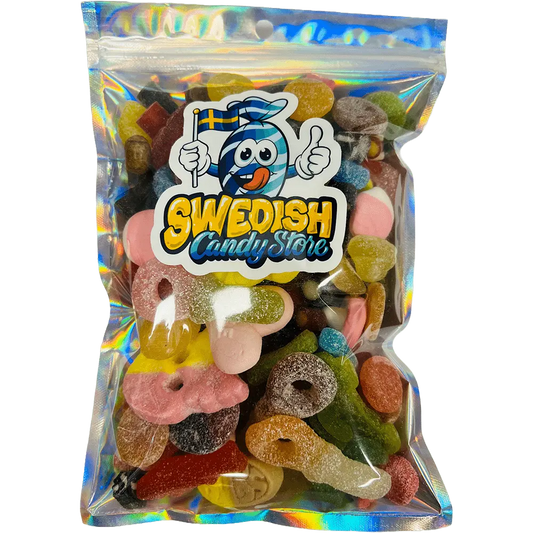
Sour gummies are freshness drama queens because their coating reacts easily to moisture. A fresh sour candy often has a dry, crisp layer of sugar and acid that delivers the first tangy hit before the chewy center takes over. When exposed to humidity, that coating can dissolve and turn sticky, patchy, or wet.
A gummy can still taste good after its sour coating has softened, but the experience changes. You may get less punch, more stickiness, and a less defined texture. If you love that electric tongue-tickle, choose bags with evenly coated pieces and store them airtight from day one.
What Freshness Means for Dietary Gummies
Vegan, gelatin-free, sugar-free, halal, and gluten-free gummies can each behave a little differently. Pectin-based vegan gummies, for example, may be softer or more jelly-like than gelatin gummies. Sugar-free varieties may have a different chew because sugar substitutes do not always hold moisture in the same way as traditional sugar.
That is why the label matters alongside the squeeze test. Judge each candy against its intended style, not against one universal gummy standard. A fresh vegan foam mushroom and a fresh gelatin fruit fish are both excellent, but they are not trying to be twins.
When you want the best odds of getting that just-packed chew, buy from a candy retailer that moves through inventory quickly and takes freshness seriously. Swedish Candy Store brings authentic Swedish favorites to US candy fans without the international-ordering headache, so your next sweet, sour, fruity haul can spend less time traveling and more time being devoured.
The final rule is wonderfully simple: trust your senses. Fresh gummies look bright, feel lively, smell like their flavor, and make you want another one before you have finished the first. That is the candy energy worth keeping around.