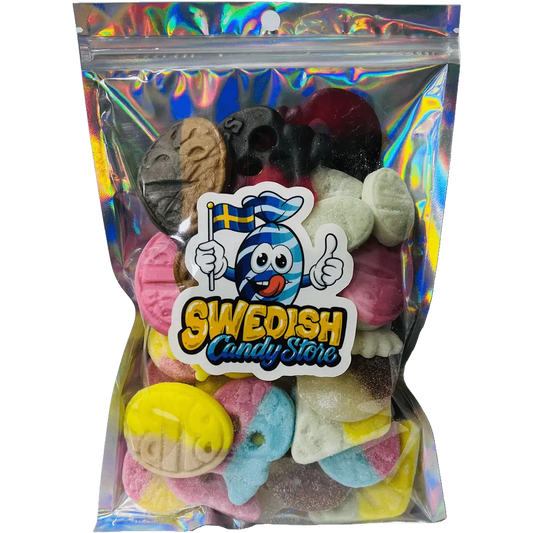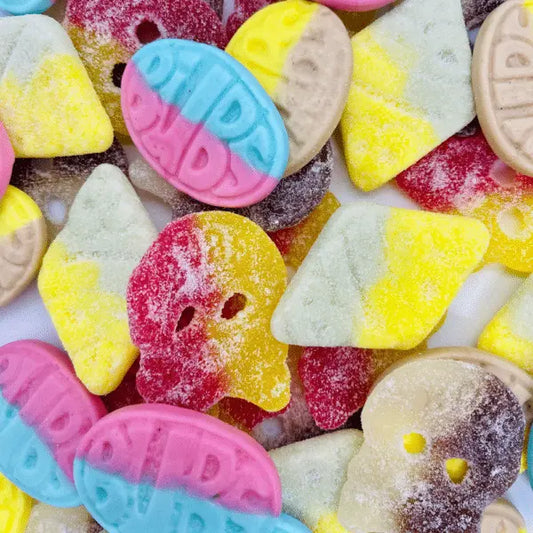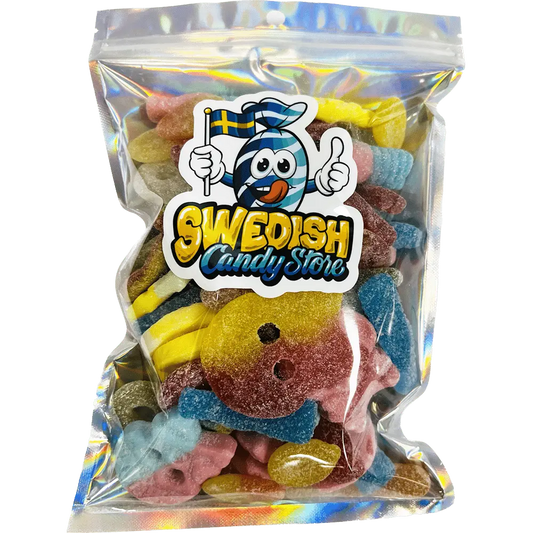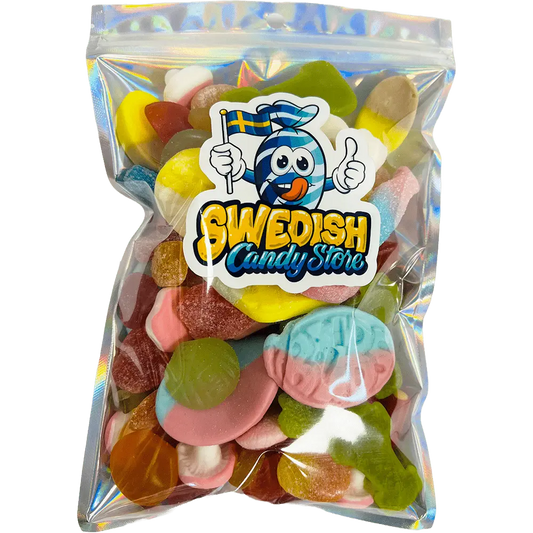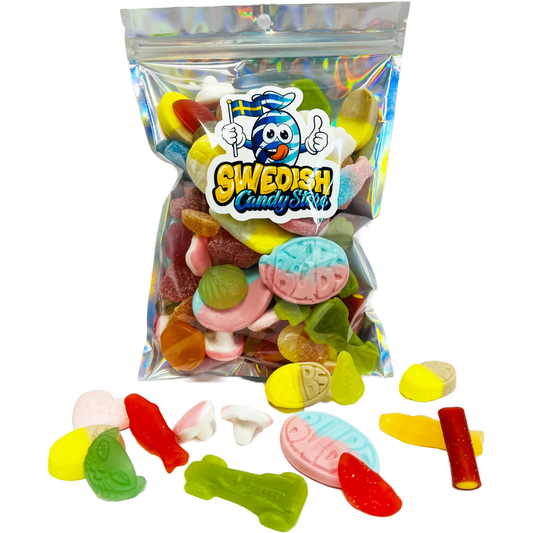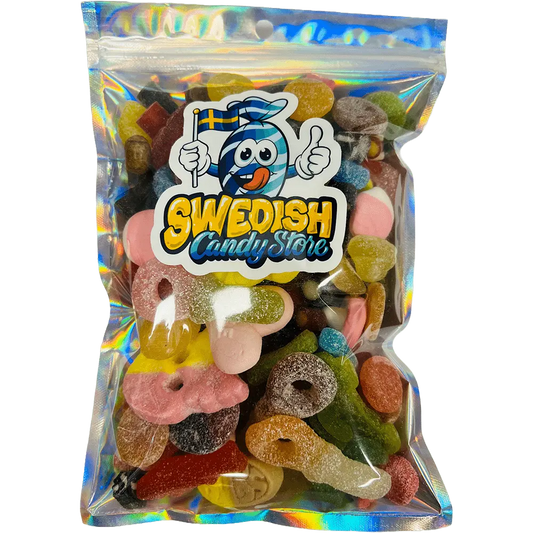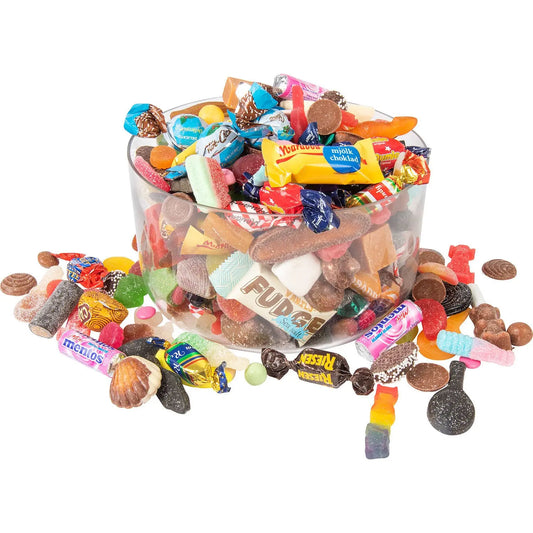

A sour gummy should not require a chemistry degree, but when you are comparing vegan candy versus regular candy, the ingredient label can get surprisingly interesting. One bag may get its chew from gelatin, another from pectin or starch. One chocolate bar leans creamy with milk, while another goes big on cocoa and plant-based ingredients. Both can be seriously snackable. They just take different routes to the candy bowl.
For anyone building a pick-and-mix with friends, shopping for a vegan gift, or simply wondering whether that viral Swedish foam candy is for them, here is what actually changes - and what absolutely does not.
Vegan Candy Versus Regular Candy: The Main Difference
The defining difference is animal-derived ingredients. Vegan candy is made without ingredients that come from animals, including gelatin, dairy, honey, beeswax, shellac, and certain food colorings such as carmine. Regular candy may contain any of those ingredients, depending on the recipe.
Gelatin is the big one in gummies, marshmallows, and foam candy. It is usually made from animal collagen and creates that classic springy, elastic chew. A traditional gummy bear that stretches a little before it snaps? Gelatin is often behind that move.
Vegan gummy makers use alternatives such as pectin, starch, agar-agar, or other plant-based gelling agents. Pectin, which comes from fruit, is especially common in fruit-forward candies. It can make a gummy feel softer, shorter, or more tender than a gelatin gummy. That is not a downgrade. It is simply a different kind of chew, and plenty of candy fans prefer it.
Chocolate is another category where the split is easy to spot. Milk chocolate contains dairy, so it is not vegan. Vegan chocolate skips milk and may use oat, rice, coconut, almond, or other plant-based ingredients to create a smooth bite. Dark chocolate can be vegan, but not automatically. Some dark chocolate recipes contain milk fat or milk powder, so the label still gets the final word.
Honey, beeswax, and shellac are less obvious but worth watching for. Honey sometimes appears in hard candies or chews. Beeswax and shellac can be used as glazing agents that give candy a shiny finish. If you are shopping vegan, “gelatin-free” is a helpful start, not the whole story.
Does Vegan Candy Taste Different?
Sometimes. Not always. And that is the fun answer.
A vegan sour skull can be intensely fruity, tongue-tingly, and wildly chewy. A regular sour gummy can be exactly the same on the flavor front while having a bouncier texture. Sugar, acids, fruit flavors, and flavor intensity do most of the heavy lifting in sour candy, so a vegan recipe does not automatically mean a quieter flavor experience.
Texture is where people notice the biggest difference. Gelatin gummies tend to have a long, resilient chew. Pectin gummies often bite more cleanly and can feel juicier or more jam-like. Starch-based candies may be firmer, while vegan foam candies can be airy and pillowy with a slightly different bounce than traditional marshmallow-style treats.
That means the better choice depends on your candy personality. If you live for a dense gummy with a slow chew, compare ingredients and try a few styles. If you like soft foam, fruity chews, and candy that melts into a bright burst of flavor, vegan options can be a very happy place to land.
Swedish candy is particularly good at proving that plant-based does not have to mean boring. Many Swedish-style gummies and foam candies are built around bold fruit flavors, sour coatings, playful shapes, and that perfect grab-another-one texture. The candy does not need to make a speech about being vegan. It just needs to taste good enough that the bag mysteriously disappears.
Is Vegan Candy Healthier Than Regular Candy?
Not necessarily. Vegan describes the ingredients' origin, not the nutrition profile.
A vegan candy can still contain sugar, glucose syrup, acids, flavorings, and a generous dusting of sour sugar. A regular candy can have a short ingredient list. Neither is automatically the “good” candy or the “bad” candy. They are treats, and treats are allowed to be treats.
There are a few situations where vegan candy may suit someone better. People avoiding gelatin or dairy may find more options that fit their needs. Some shoppers also prefer plant-based recipes for ethical or environmental reasons. But if you are looking for less sugar, fewer calories, or a specific allergen-friendly choice, look beyond the word vegan and read the full package information.
Also, vegan does not mean allergen-free. A vegan candy can contain nuts, soy, wheat, or coconut, and it may be produced in a facility that handles milk or other allergens. Gluten-free and vegan are separate labels. Halal and vegan are separate labels, too. They can overlap, but one does not guarantee the other.
What to Check Before Adding Candy to Your Mix
The easiest approach is to start with what matters most to you. If your priority is avoiding animal ingredients, look for a clear vegan label and scan the ingredient list for gelatin, milk, honey, beeswax, shellac, and carmine. If you have an allergy, check the allergen statement and any cross-contact language as carefully as the ingredients themselves.
For gummies and foam, pay attention to the gelling agent. Pectin, modified starch, agar-agar, and carrageenan are commonly used in vegan recipes. For chocolate, check for milk ingredients even if the package says dark chocolate. For shiny hard candies, glazing agents can be the sneaky detail.
It is also smart to check every product, even when you know the brand. Recipes can vary by flavor, product line, and country, and manufacturers can update formulas. A candy that was vegan last year may be reformulated, while a regular-looking fruit candy may happen to be vegan all along. Label reading is not glamorous, but it is how you avoid letting one rogue gummy crash the party.
Which One Should You Choose?
Choose vegan candy if you follow a vegan lifestyle, avoid gelatin or dairy, are buying for a mixed group with dietary preferences, or simply like the texture and flavors of plant-based sweets. Vegan foam, fruit gummies, sour candies, and licorice can make a pick-and-mix feel every bit as colorful and chaotic in the best possible way.
Choose regular candy if you are not avoiding animal-derived ingredients and you specifically love the classic stretch, bounce, or creamy dairy richness that a particular recipe delivers. There is no prize for choosing one category over the other. The prize is getting the candy you actually want to eat.
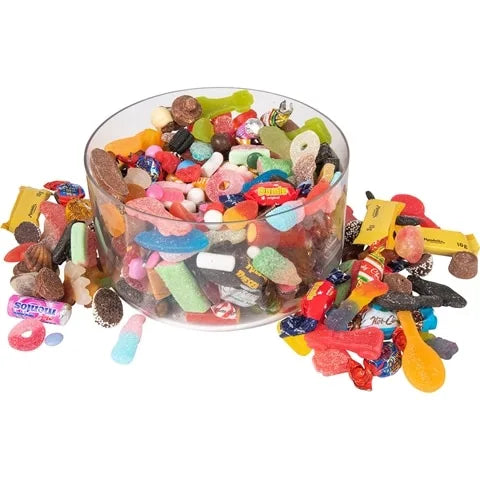
For group orders, the move is usually variety. Add clearly labeled vegan gummies alongside classic gelatin candies, toss in a few dairy-free fruit options, and keep chocolate selections separate when needed. At Swedish Candy Store, that kind of mix-and-match approach lets everyone play candy DJ without turning snack time into a guessing game.
The best test is deliciously low-stakes: try a few styles side by side. Find the gummy that has your favorite chew, the sour candy with the right amount of face-pucker, and the chocolate that makes you reach back into the bag. Your perfect candy does not need anyone else's approval - only a second handful.